Song Meaning
Donny Osmond's "Aztlan - Mictlan (English Translation)" initially presents itself as a standard farewell serenade, a gentle lullaby sung to a sleeping lover as the dawn breaks. However, beneath the surface of this ostensibly sweet goodbye lies a deeper exploration of commitment phobia and the allure of perpetual motion. The repeated instruction, "Sleep on, little darling, Don't you open up your eyes," hints at a desire to avoid the complexities and potential entanglements that a conscious, waking relationship would demand. It's easier to idealize a lover in slumber, frozen in a perfect, uncomplicated state. The singer shields himself from having to confront the reality of a shared life.
The core tension of the song revolves around the push and pull between the desire for connection and the overwhelming need for freedom. He admits, "It's true I'd want somebody walking by my side," acknowledging the innate human yearning for companionship. Yet, this desire is immediately countered with, "But what I love is light." The "light" here isn't just the literal dawn signaling his departure; it represents a lightness of being, a freedom from emotional baggage and the perceived weight of commitment. He's a "rover," a traveler who wears all he needs "on my back," suggesting a life stripped down to its bare essentials, where emotional ties are considered excess baggage.
Ultimately, "Aztlan - Mictlan (English Translation)" isn't just a song about leaving; it's a poignant meditation on the self-imposed exile that some individuals choose in the name of freedom. The promise, "I'll always think about you When I lie awake at night," offers a bittersweet comfort, a recognition that even in his self-chosen solitude, the memory of connection lingers. The song's meaning resides in this unresolved conflict: the rover's heart forever tethered to the very thing he feels compelled to leave behind. Donny Osmond uses this song to explore the bittersweet ache of choosing the open road over the potential for lasting intimacy.
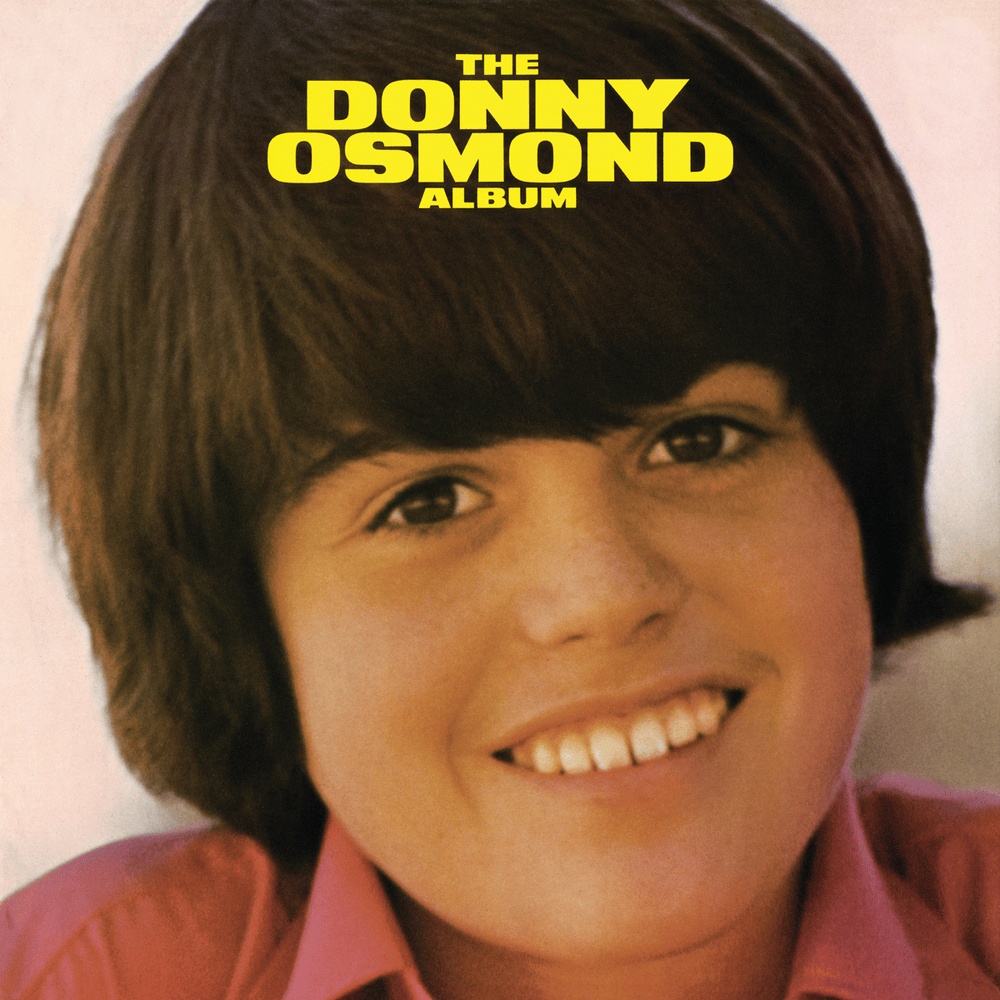
 View Artist