Song Meaning
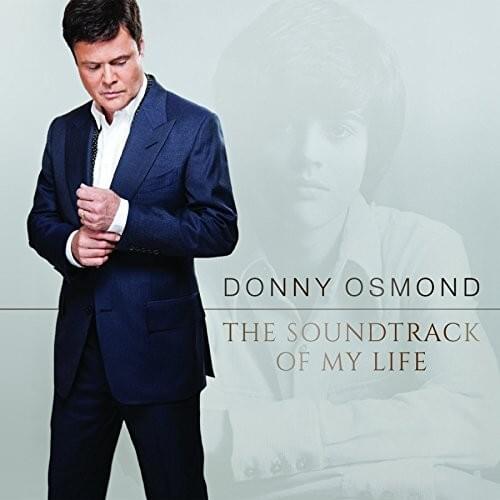
Donny Osmond's rendition of "The Long and Winding Road" isn't just a cover; it's a study in devotion bordering on obsession. The central metaphor, of course, is that relentless road, an inescapable path leading directly to the object of the singer's affection. It's a journey marked by repeated attempts ("Anyway you'll never know the many ways I've tried") and consistent failure, yet the singer remains tethered to it. Osmond's delivery amplifies the inherent yearning, turning what could be a simple love song into an exploration of dependency. The lyrics suggest a past abandonment ("You left me standing here a long, long time ago"), imbuing the present with a sense of desperate hope that borders on delusion. Is this love, or a compulsion?
The imagery of "a pool of tears crying for the day" speaks to a profound sadness and a longing for resolution. But the repeated pleas – "let me know the way," "lead me to your door" – reveal a fundamental power imbalance. The singer isn't just seeking connection; he's begging for direction, relinquishing control to the other party. This dynamic hints at a relationship where one person holds all the cards, and the other is perpetually chasing a connection that may never fully materialize. The cyclical nature of the road itself underscores this point: no matter how far the singer travels, he always ends up back where he started, trapped in a loop of desire and disappointment.
Ultimately, Donny Osmond's take on "The Long and Winding Road" exposes the darker side of love – the vulnerability, the desperation, and the potential for self-deception. It's a portrait of someone so fixated on another that they've lost their own sense of direction, forever bound to a path that may never truly lead to fulfillment. The repeated line "Don't keep me waiting here" echoes with a sense of weariness, a plea not just for connection, but for an end to the torment of perpetual longing.
 View Artist