Song Meaning
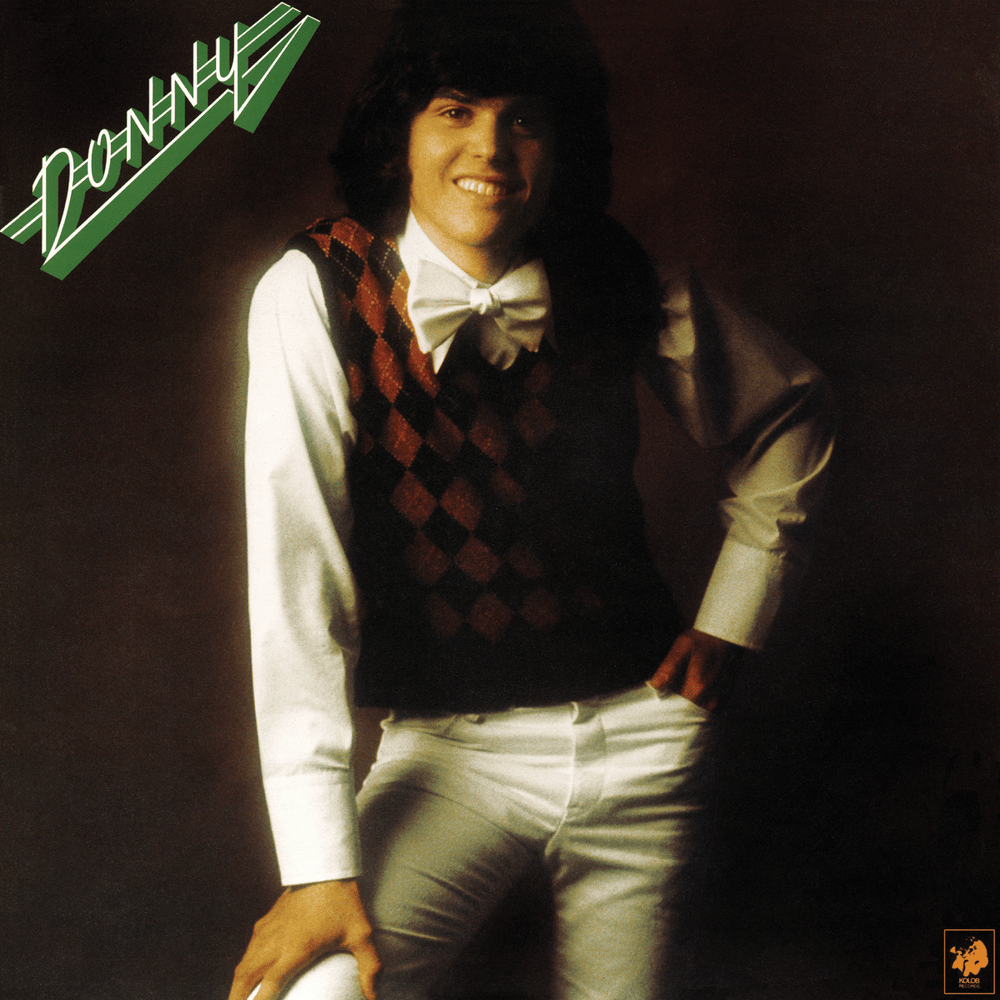
Donny Osmond's rendition of "I'm So Lonesome I Could Cry" isn't just a cover; it's a masterclass in translating Hank Williams' iconic lament into a deeply personal expression of isolation. The song, at its core, dissects loneliness not as a fleeting emotion, but as an all-encompassing state of being, a psychological landscape where even nature reflects the singer's internal despair. Osmond's interpretation amplifies the quiet desperation woven within the lyrics, transforming a country classic into a broader meditation on human connection and loss. The song’s power lies in its ability to evoke profound empathy. Osmond's vocal delivery enhances the sense of yearning.
The brilliance of “I'm So Lonesome I Could Cry” rests in its subtle yet devastating imagery. The whippoorwill's mournful cry, the 'midnight train is whining low,' and the moon hiding its face – these aren't just picturesque details; they are external manifestations of an internal void. The lyrics analysis reveals how the speaker projects his emotional state onto the world around him, finding echoes of his sorrow in the natural world. It's a poignant reflection of how loneliness can warp our perception, turning familiar sights and sounds into reminders of what's missing. The verse about the robin weeping, having lost the will to live, is particularly striking, underscoring the depth of the speaker's despondency.
Ultimately, the song's enduring appeal lies in its raw honesty. There's no attempt to sugarcoat the pain or offer false hope. The repetition of the line "I'm so lonesome I could cry" serves as a stark reminder of the cyclical nature of grief and the difficulty of escaping its grasp. Osmond’s version, imbued with his signature vocal clarity, allows listeners to fully immerse themselves in this emotional landscape, making “I'm So Lonesome I Could Cry” not just a song, but a shared experience of human vulnerability. The song meaning transcends genre, resonating with anyone who has ever felt the crushing weight of solitude.
 View Artist