Song Meaning
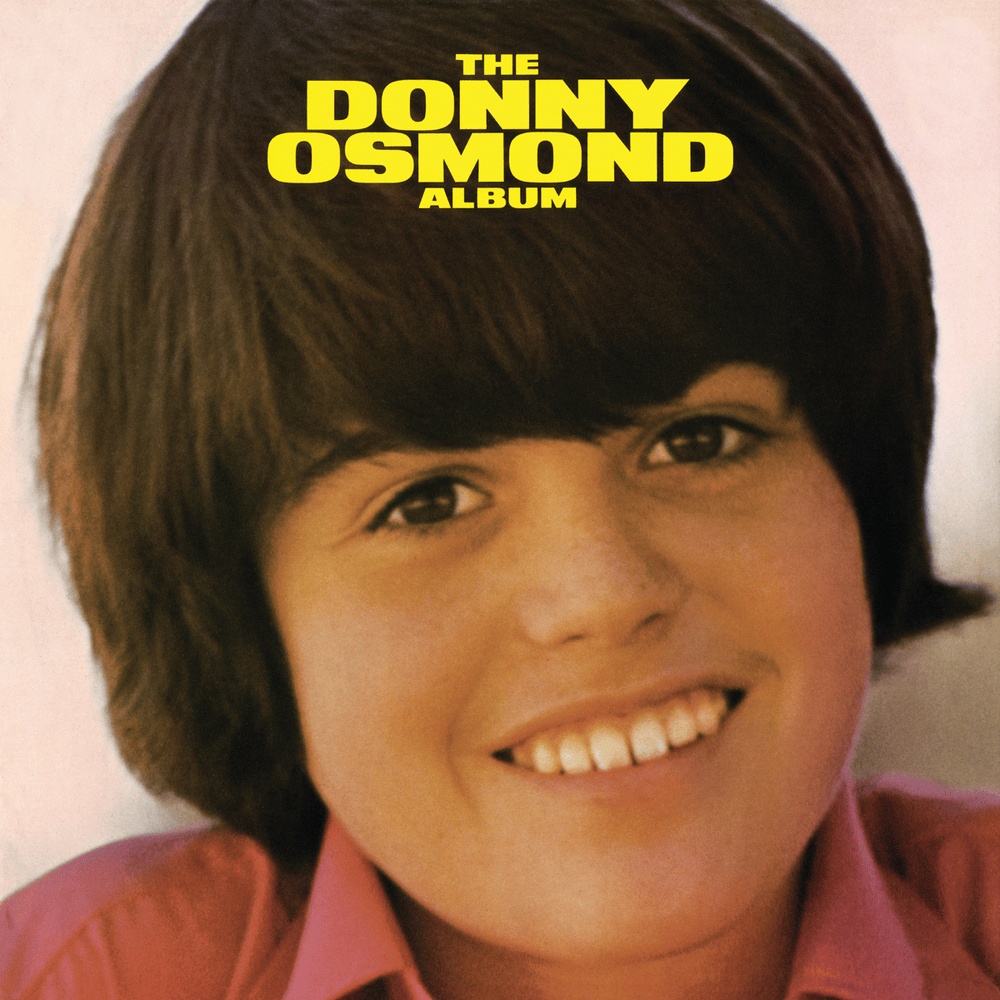
Donny Osmond's "Don't Say No" isn't just a plea for affection; it's a masterclass in manipulative romantic pursuit, thinly veiled as earnest desire. The song's central tension lies in the narrator's impatience and barely concealed insecurity. He senses an opportunity, a vulnerability in the object of his affection, and he's determined to exploit it before she wises up. The repeated insistence of "Don't say no to me this time" carries a weight of desperation that borders on entitlement. It's not about genuine connection; it's about seizing a fleeting chance before it vanishes. The line, "I may change my mind before tomorrow," is particularly telling, revealing a transactional view of love where feelings are conditional and subject to immediate change.
Beneath the surface of romantic yearning, "Don't Say No" exposes a power dynamic where the narrator seeks to control and define the woman's choices. He subtly undermines her current relationship with the line "When you're with him, you look so fine, but we both know, little girl, he's not your kind." This isn't an expression of genuine concern; it's a calculated attempt to sow doubt and insecurity, making her more susceptible to his advances. The promise that "You need someone that you can't control, and if you'll be mine, I'll never, ever let you go" is less a declaration of devotion and more a statement of possessive intent. He's not offering freedom; he's offering a different kind of cage, one where he holds the key.
Ultimately, the song meaning of "Don't Say No" hinges on the narrator's perceived urgency and the pressure he exerts. He frames his pursuit as a now-or-never proposition, warning her that "if you say no, you'll never know what you missed." This isn't an invitation to explore a deeper connection; it's a high-stakes gamble disguised as a romantic gesture. Osmond's delivery, while undeniably charming, cannot fully mask the underlying sense of desperation and the manipulative undertones that permeate the lyrics. It's a portrait of infatuation fueled by ego, where the woman's agency is secondary to the narrator's need for validation.
 View Artist