Song Meaning
Donny Osmond's "Baby, What You Goin' to Be?" isn't your typical saccharine Christmas carol; it's a potent blend of childlike wonder and profound theological questioning, filtered through Osmond's earnest delivery. The song's core revolves around the infant Jesus, presented not as a figure of established divinity, but as a being of immense potential, his future – and indeed, the future of humanity – hanging in the balance. The repetition of "Whatcha gonna be?" and "What you come here to do?" transforms the traditional nativity scene into an almost unbearable moment of suspense. We, along with the shepherds and wise men, are not merely witnessing a birth, but actively anticipating a destiny. The lyrics cleverly tap into the human desire for a savior, a leader, someone to deliver us from ourselves. It's a yearning deeply embedded in the collective psyche.
Osmond's vocal performance amplifies the song's inherent tension. There's a delicate balance between reverence and anxious anticipation, as if he's both celebrating the miracle of birth and grappling with the enormity of the task ahead. The seemingly simple questions posed to the "Baby lying in a manger" carry the weight of centuries of human suffering and hope. The lyrics, "Are you the one who was meant to be Master?/To bring in the Kingdom too?" directly address the messianic expectations surrounding Jesus, while the repeated query, "Baby, can you be the Savior?/Come to save the world one day?" drives home the personal stake. It is an intimate and searching plea.
The genius of "Baby, What You Goin' to Be?" lies in its refusal to offer easy answers. Instead of a triumphant declaration of Jesus's divinity, the song leaves us suspended in a state of hopeful uncertainty. We are left to ponder the implications of this tiny baby's potential impact on the world. This song cleverly reframes the Christmas narrative as one of potential and responsibility, challenging listeners to consider their own role in realizing the promise of salvation. The song's meaning resides less in its affirmation of faith and more in its poignant expression of hope mingled with the awareness of profound responsibility.
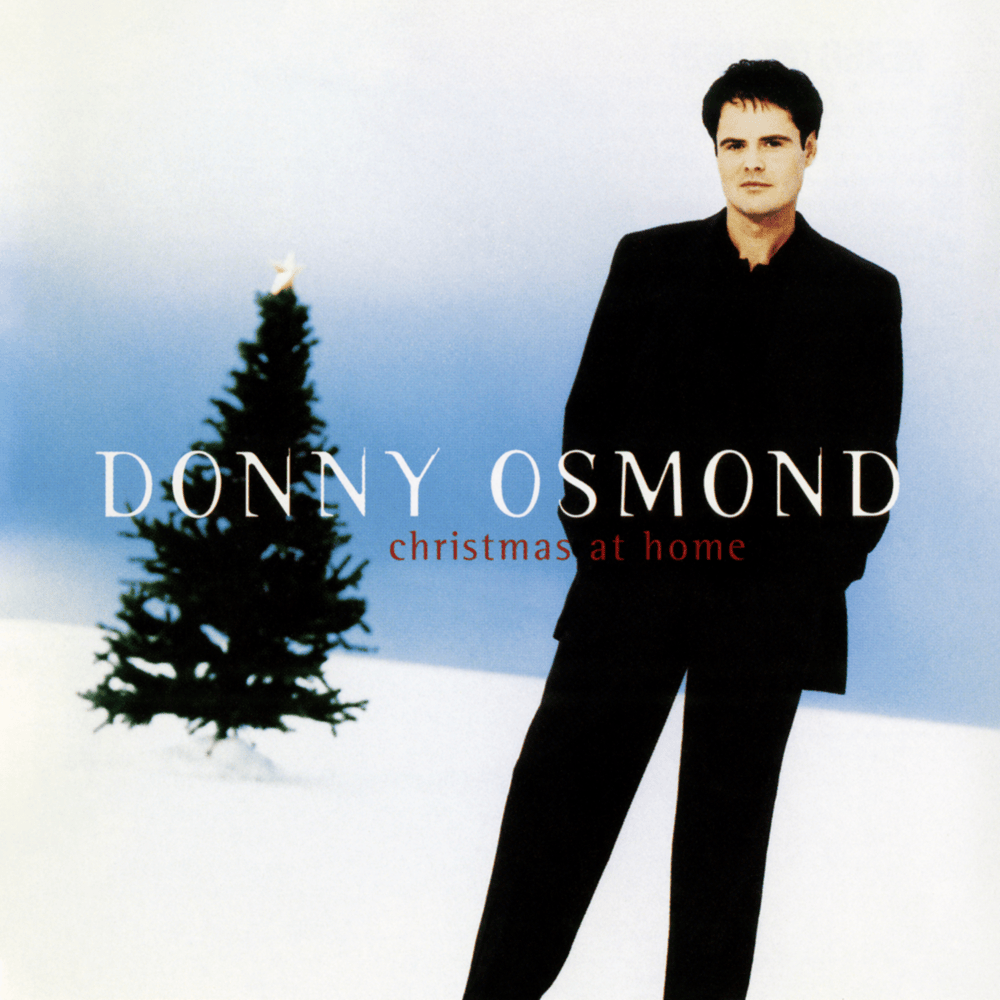
 View Artist