Song Meaning
These lyrics paint a picture of a present time characterized by significant hardship, directly referencing biblical figures and events to frame the current era. The opening lines establish a parallel between the present and the "days of Elijah" and "days of Your servant Moses," immediately invoking a sense of divine intervention and pronouncements. This sets a tone of both struggle and impending restoration, highlighting "great trial, Of famine and darkness and sword" alongside the "voice in the desert crying 'Prepare ye the way of the Lord!'" The imagery suggests a period of intense spiritual and possibly physical conflict, yet one where a crucial message of preparation is being delivered.
The central tension arises from the juxtaposition of immense difficulty and the promise of salvation and renewal. The lyrics describe a world facing dire circumstances, yet simultaneously point towards a powerful, divine arrival. The vision of "He comes riding on the clouds / Shining like the sun" and the proclamation of "the year of jubilee" offer a stark contrast to the "famine and darkness." This duality suggests that even in the bleakest moments, a profound spiritual transformation and deliverance are imminent, originating from "Zion's hill."
The song's craft lies in its direct invocation of prophetic figures and their associated narratives to imbue the present with epic significance. By referencing Elijah, Moses, Ezekiel, and David, the lyrics elevate the current struggles and declarations to the level of biblical prophecy. The repeated phrase "These are the days of..." acts as a powerful rhetorical device, connecting the listener's experience to foundational stories of faith, divine judgment, and rebuilding. This technique transforms contemporary challenges into part of a grand, unfolding divine plan, emphasizing the role of believers as "labourers in Your vineyard" actively participating in this plan.
What makes these lyrics resonate is their ability to provide a framework for understanding hardship not as an end, but as a prelude to divine action and restoration. The repeated affirmation, "There's no God like Jehovah," serves as an anchor of faith amidst the described trials. The lyrics suggest that by recognizing the present as a time of prophecy and by actively declaring "the word of the Lord," individuals can find purpose and hope, positioning themselves as participants in a historical, divinely orchestrated event of salvation and renewal.
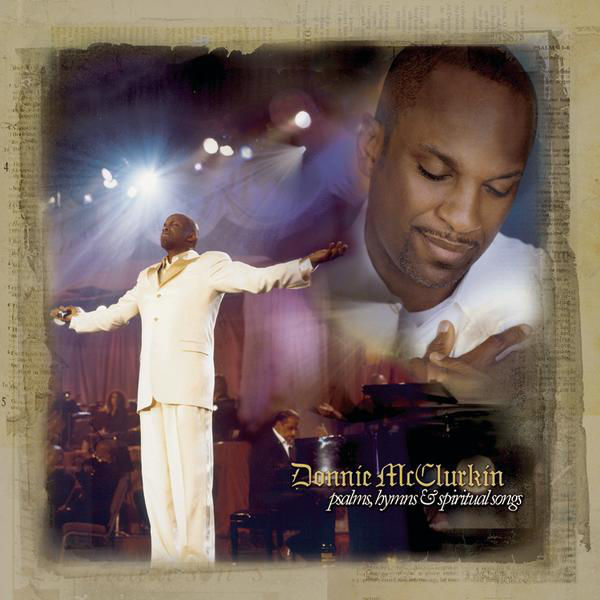
 View Artist