Song Meaning
The lyrics paint a picture of a deep, unfulfilled attraction, where the narrator acknowledges a powerful connection but is held back by external constraints. There's a clear sense of regret and longing for what could have been, expressed through the recurring phrase "In another place and time." The narrator is caught in a situation where they cannot freely pursue the relationship, leading to a painful awareness of what is being missed.
The central tension lies in the conflict between genuine feelings and the inability to act on them. The narrator admits to being "attracted too" and feeling "feelings so strong inside," yet simultaneously states, "I'm not free to be / In love with you." This creates a poignant emotional core, highlighting the frustration of a love that exists but cannot be realized due to circumstances beyond their control, possibly implied by "Fate can't always be led by you."
The repeated refrain, "In another place and time," functions as a powerful emotional anchor, emphasizing the hypothetical nature of their potential relationship. It's a wistful acknowledgment that the present moment or situation is incompatible with their desires. The lyrics suggest a deep internal "hurting deep inside," stemming from this unexpressed and unrealized love, a love that the narrator insists would have been real and profound if conditions were different.
This lyrical construction is effective because it taps into a universal feeling of missed opportunities and 'what ifs.' The direct, unadorned language, combined with the persistent echo of the titular phrase, creates a sense of melancholic resignation. The narrator's admission that they "can't give you / All you want me to" and that "the time ain't right" grounds the fantasy in a tangible, albeit painful, reality, making the longing for that alternate existence all the more potent.
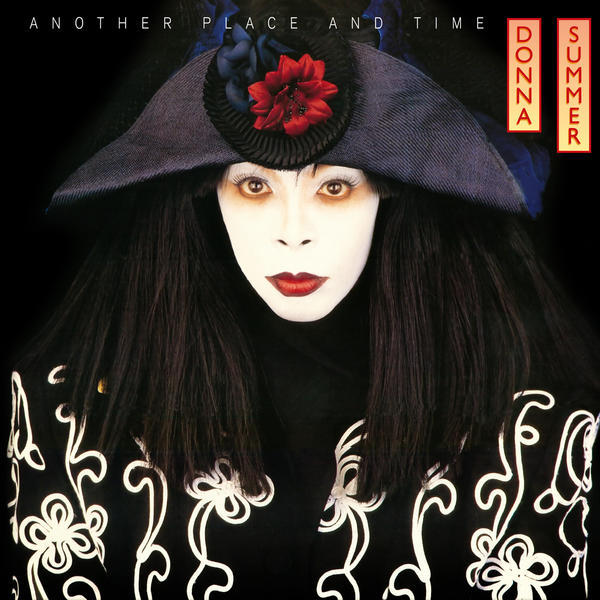
 View Artist