Song Meaning
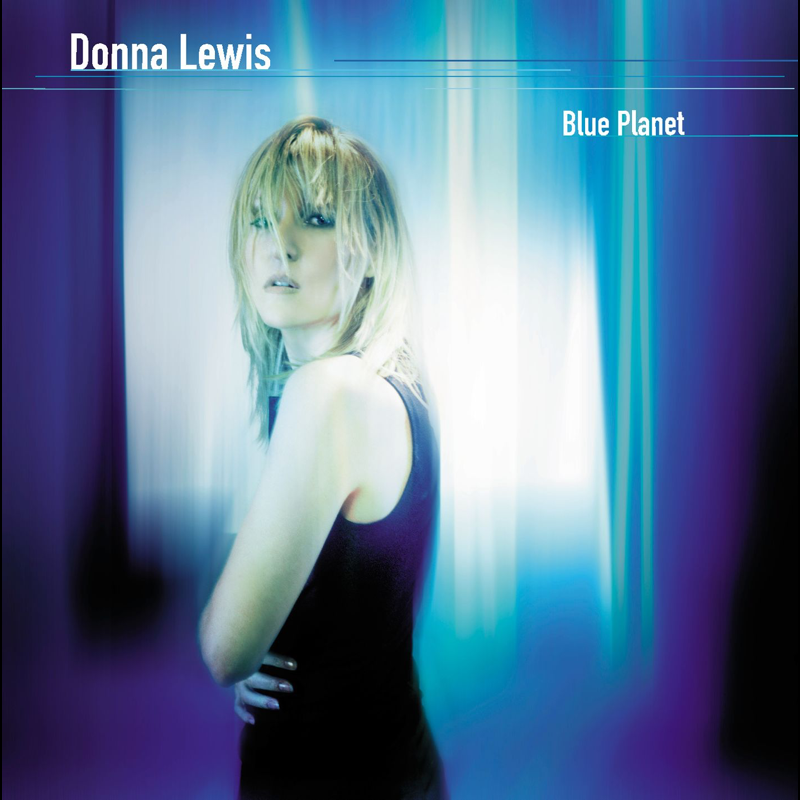
Donna Lewis's "Blue Planet" isn't just a song; it's a sonic portrait of planetary fragility. Forget romantic love; this is an elegy for a dying world, whispered in the breathy tones that made "I Love You Always Forever" a '90s staple. But the dreamy soundscape belies a stark message, one that resonates even more urgently today. The lyrics paint a picture of ecological decay: "oceans to badlands," "forest of stone," a "vanished life." These aren't abstract concepts; they're the concrete consequences of environmental neglect, rendered in vivid, almost painterly detail. The "blue web of tangled ribbons" evokes both the intricate beauty of nature and its increasing entanglement in human-caused problems. The repeated plea, "Blue planet, save yourself," isn't directed at some external savior. It's a call for collective responsibility, a recognition that the planet's fate rests in our hands. The song's brilliance lies in its ability to convey this weighty message with a delicate touch, making it a haunting and unforgettable meditation on our relationship with the natural world.
Lewis juxtaposes images of beauty and decay to amplify the song's emotional core. "Short lived / Profusion of flowers / Dry in the warm winds" serves as a potent metaphor for fleeting beauty in the face of environmental destruction. The "mosaic of rainbow colours glow / Where the remains of lost / Worlds lay untouched by the forces of time" hints at both the resilience of nature and the irreversible consequences of its destruction. It's a landscape scarred by time and neglect, a testament to what was and what could be lost. The “ancient river” is a metaphor for the relentless and unstoppable march of time, but also for the life-giving source that humanity has sullied.
Ultimately, "Blue Planet" transcends simple environmentalism. It's a song about mortality, both of the planet and of ourselves. The "red light dangers that rise / Higher as the time goes by" are not just ecological threats; they're existential ones. Lewis isn't just warning us about climate change; she's forcing us to confront our own impermanence. The song's power comes from its understanding of the deep psychological connection between humans and their environment. By making us feel the pain of a dying planet, Lewis compels us to act, to save ourselves by saving the "Blue Planet."
 View Artist