Song Meaning
The lyrics immediately plunge into a direct, almost defiant response to an intimate gesture. A passionate hand-clasp is met not with reciprocation, but a firm declaration of independence. The speaker immediately rejects the idea of possession, stating, "you can never belong to me." This sets a clear boundary against traditional, possessive love.
This rejection isn't just personal; it's a broader critique of "customary loves and friendships" which are described as "cold guards." The speaker positions themselves as a "rough and simple person," contrasting with the perceived formality or constraint of conventional relationships. There's a palpable tension between individual freedom and societal expectations.
The core of the speaker's alternative vision emerges through a striking image: "he who kisses his comrade lightly" on the lips at parting. This tender, yet non-possessive, gesture is then elevated as "that new American salute." It suggests a form of affection that is open, shared, and free from the kind of love described as "choked, correct, polite, always suspicious."
The power of these lyrics lies in their bold articulation of an unconventional intimacy. By juxtaposing the "light kiss" with the suffocating "received models of the parlors," the speaker champions a liberated way of connecting. The rhetorical questions, "What are they to me? What to these young men that travel with me?", powerfully underscore a collective disavowal of old norms, inviting the listener to consider a more authentic, less constrained form of human connection.
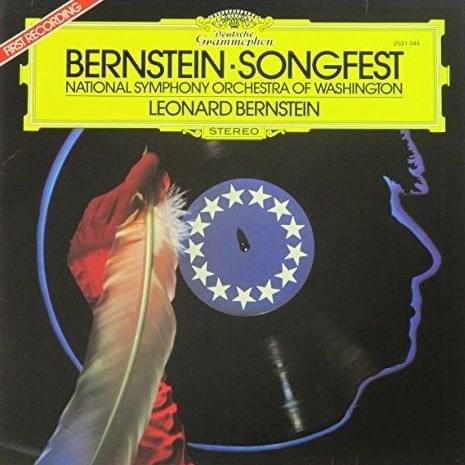
 View Artist