Song Meaning
The lyrics paint a complex portrait of Black identity, asserting its inherent value while acknowledging societal struggles. The repeated phrase "Negro é a raiz da liberdade" (Black is the root of freedom) serves as a powerful anchor, grounding the multifaceted experiences described. It suggests that freedom itself is fundamentally tied to Blackness, a defiant claim against historical oppression.
The song navigates a spectrum of emotions and concepts associated with being Black. It's presented as a source of "respeito" (respect), "inspiração" (inspiration), and even "felicidade" (happiness) through a "sorriso negro" (Black smile) and "abraço negro" (Black embrace). Yet, this is juxtaposed with "silêncio" (silence), "luto" (mourning), "solidão" (loneliness), and the harsh reality of being "sem emprego" (unemployed), leading to "sem sossego" (restlessness). The lyrics also directly confront the legacy of slavery, stating "Negro que já foi escravo" (Black who was once a slave), before pivoting to "voz da verdade" (voice of truth), "destino" (destiny), and "amor" (love), and the bittersweet pang of "saudade" (longing).
The most striking aspect is the lyrical strategy of presenting seemingly contradictory ideas under the umbrella of Blackness. The assertion that Blackness is the root of freedom is powerful, but it's immediately followed by the stark reality of unemployment causing distress. This isn't a simple celebration; it's an acknowledgment of resilience forged in hardship. The repetition of "Negro é a raiz da liberdade" after detailing these struggles emphasizes that freedom is not a given, but something deeply rooted and perhaps hard-won, intrinsically linked to the Black experience.
This lyrical approach is effective because it refuses easy categorization. It validates the joy and strength found within the Black community while unflinchingly addressing the systemic challenges. The constant return to the idea of freedom as a root, rather than a branch or fruit, suggests a deep, foundational power that persists despite external pressures. It's this tension between inherent worth and societal barriers that gives the song its resonant emotional weight.
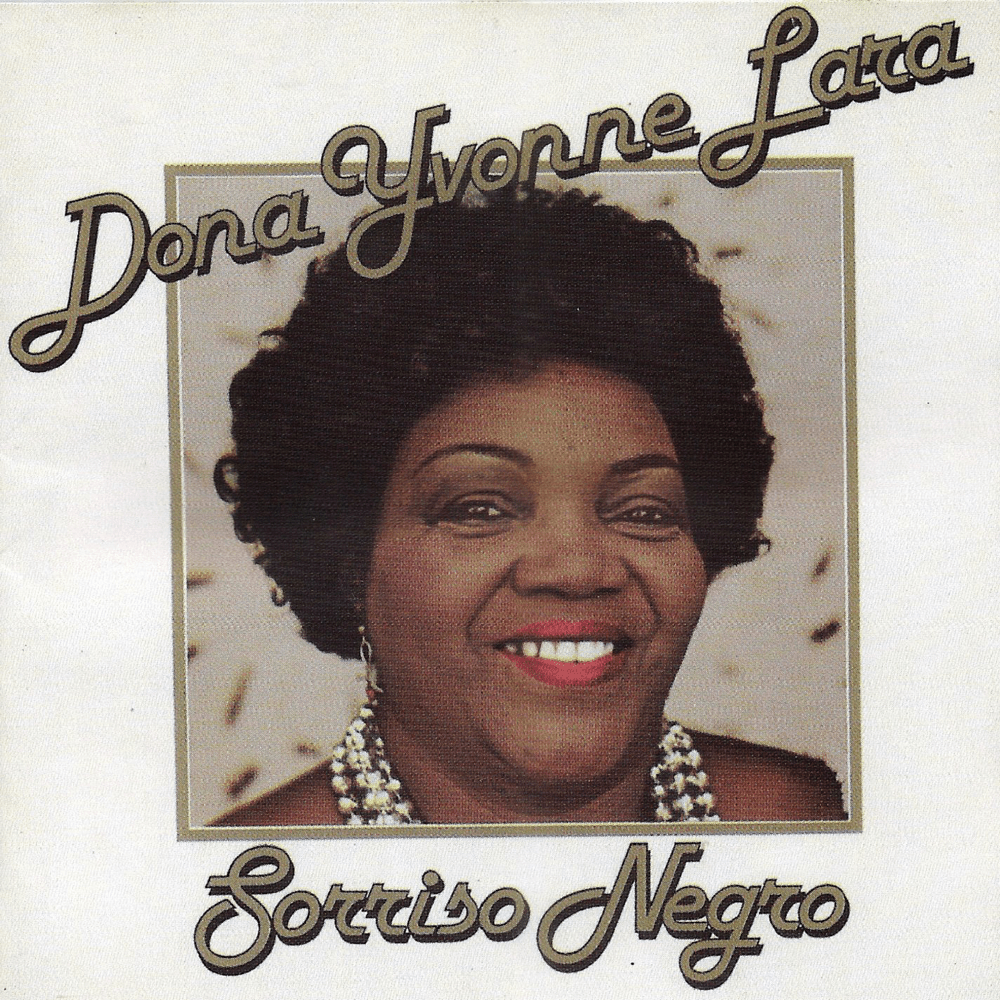
 View Artist