Song Meaning
Don Williams's "Time" isn't just a country ballad; it's a stark confrontation with the human condition itself. Stripped bare, the lyrics present life as a series of binary oppositions: running versus crawling, forward versus backward, light versus darkness. This relentless duality establishes a core theme – the inherent contradictions within existence. It's not about specific events, but the universal experience of navigating opposing forces. The song meaning distills to this: life is a paradox. We crave progress, yet often find ourselves drawn back to the familiar. We seek enlightenment, but are equally shadowed by fear. This push and pull isn't a bug; it’s the feature. The repetition of "Time, oh time, where did you go?" transforms the song into a lament, not merely for lost moments, but for the elusive, fleeting nature of experience itself. It echoes the Freudian concept of the death drive, the inherent human tendency to return to a state of nothingness, a subconscious yearning for the past as a simpler, less burdened state.
The emotional core of "Time" resides in its unflinching honesty about internal inconsistency. Williams doesn't shy away from acknowledging the fluctuating nature of feeling: "Sometimes I'm satisfied, sometimes I'm not." This isn’t a confession of weakness, but a recognition of the human psyche's inherent instability. The shifting emotional landscape – laughing at sunset, crying at sunrise, existing in a state of bewildered limbo at midnight – paints a portrait of a mind struggling to reconcile itself with the relentless march of time. The transitions aren't logical; they're impressionistic snapshots of a soul in flux. The song deftly avoids sentimentality, opting instead for a raw, almost detached observation of internal turmoil.
Ultimately, "Time" by Don Williams transcends the boundaries of genre. It's not just a country song about getting older; it’s a meditation on the baffling, beautiful, and often brutal experience of being alive. The genius of the song lies in its simplicity. By stripping away the narrative clutter, Williams exposes the raw nerve of human existence – the constant negotiation between opposing forces, the relentless passage of time, and the enduring mystery of why we're here in the first place. It's a song that resonates not because of its unique story, but because of its universal truth. The "lyrics analysis" reveals a complex tapestry of emotions woven into a seemingly simple framework, making it a timeless piece of art.
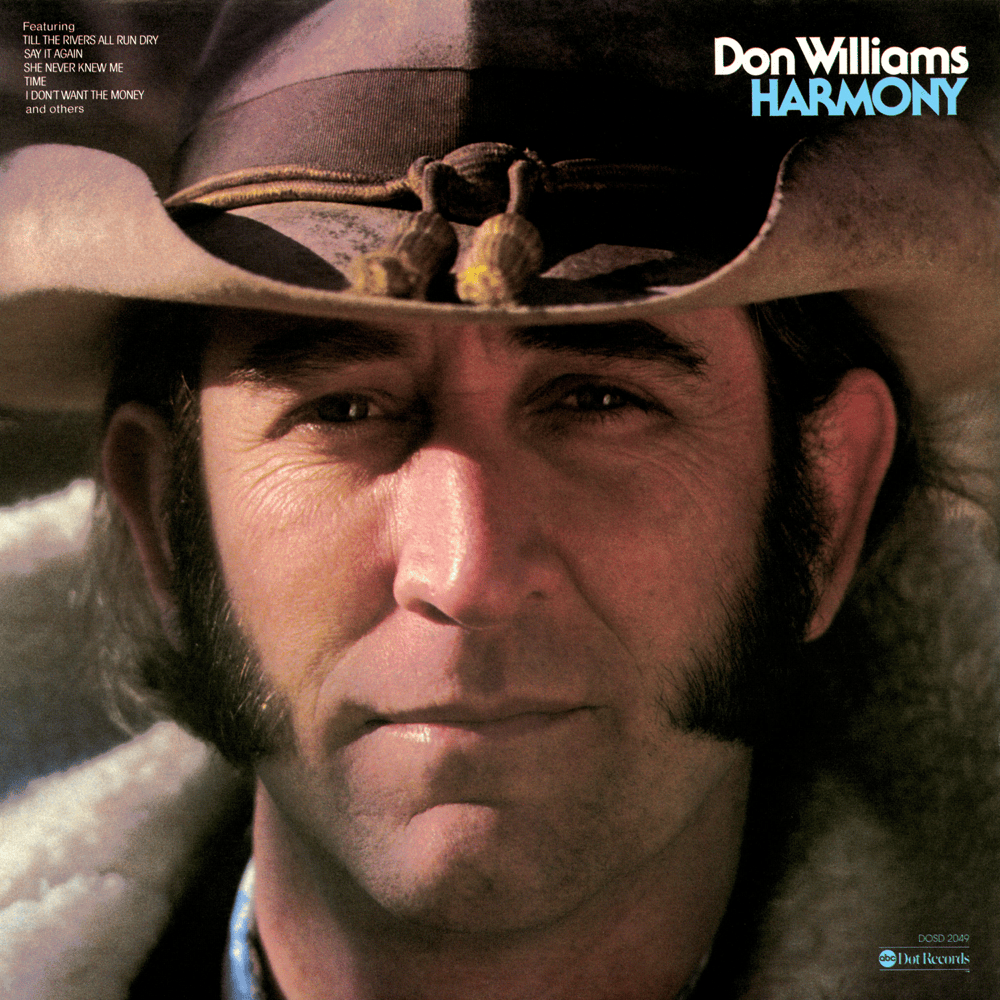
 View Artist