Song Meaning
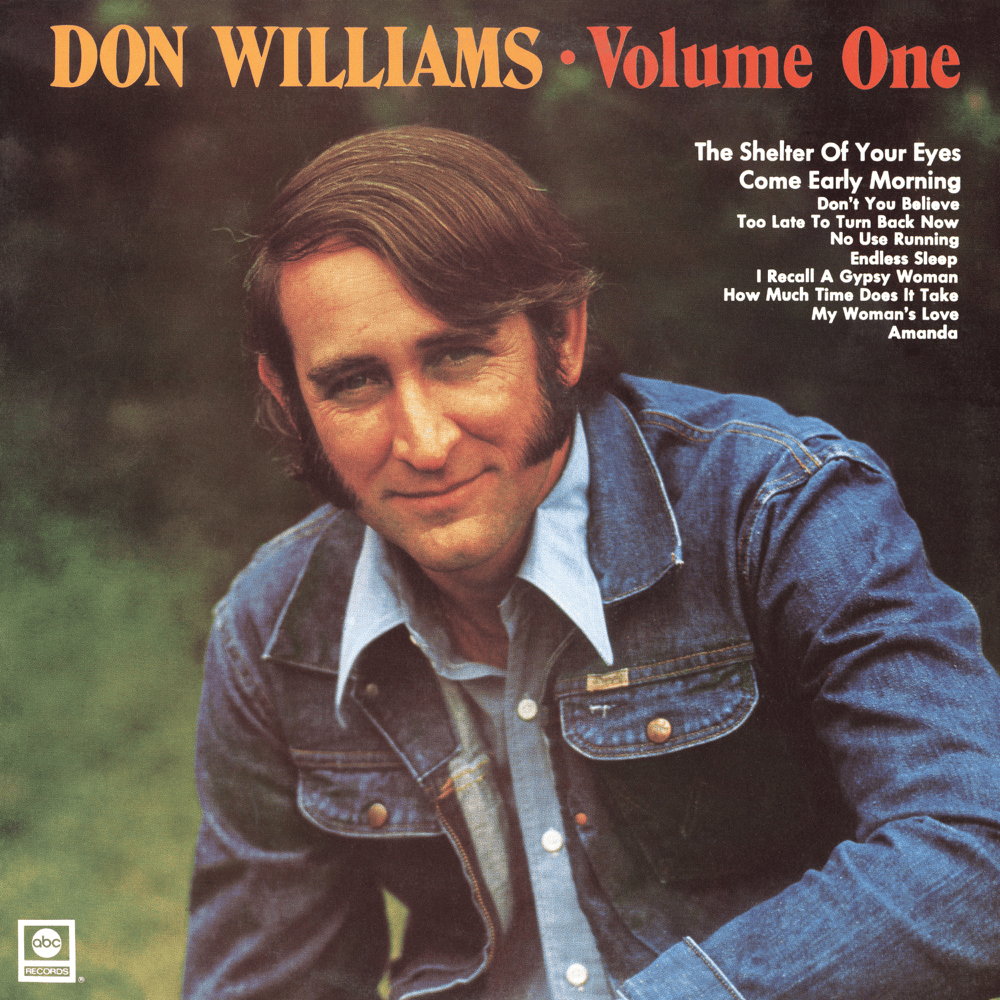
Don Williams's "My Woman's Love" isn't just a country ballad; it's a study in devotion bordering on existential dependence. The lyrics paint a portrait of a man utterly consumed by his partner's affection, to the point where his sense of self seems intrinsically linked to her presence. Time itself warps around her; days become mere 'waiting time' until he can bask in the warmth of her embrace at night. This isn't simply romance; it's a yearning for completion, a recognition that his internal landscape is incomplete without her. The repeated emphasis on disbelief ('I just can't believe that you're all mine') hints at a deep-seated insecurity, a fear that this idyllic connection is too good to be true and therefore inherently fragile. It's a vulnerability rarely expressed so plainly.
The song meaning extends beyond simple adoration. Williams delves into the almost symbiotic nature of their bond. She's not just someone he loves; she's 'inside of me / In the part that makes this life for me.' This suggests she fulfills a fundamental need, perhaps filling a void or providing a sense of purpose that he couldn't attain on his own. This level of integration can be both beautiful and unsettling. While it speaks to the depth of their connection, it also raises questions about identity and autonomy. Is he truly himself, or merely a reflection of her love? The lyrics don't offer easy answers, instead dwelling in the complex space where love and selfhood intertwine.
The recurring imagery of 'two lips,' 'two eyes,' and 'two arms' serves to ground this lofty sentiment in the physical reality of their relationship. These aren't abstract ideals; they're tangible expressions of love that provide comfort, validation, and security. The lines 'Two lips that love and never tell me no' and 'Two eyes that see and set my heart aglow' are particularly telling. They suggest a desire for unconditional acceptance and unwavering support. The fear of losing this all-encompassing love is palpable, driving the narrator's declaration: 'I could never leave my woman's love.' It's a statement born not of possessiveness, but of a profound need for connection and a fear of returning to a state of incompleteness. The song lingers in that space, a poignant meditation on the transformative power – and potential pitfalls – of profound love.
 View Artist