Song Meaning
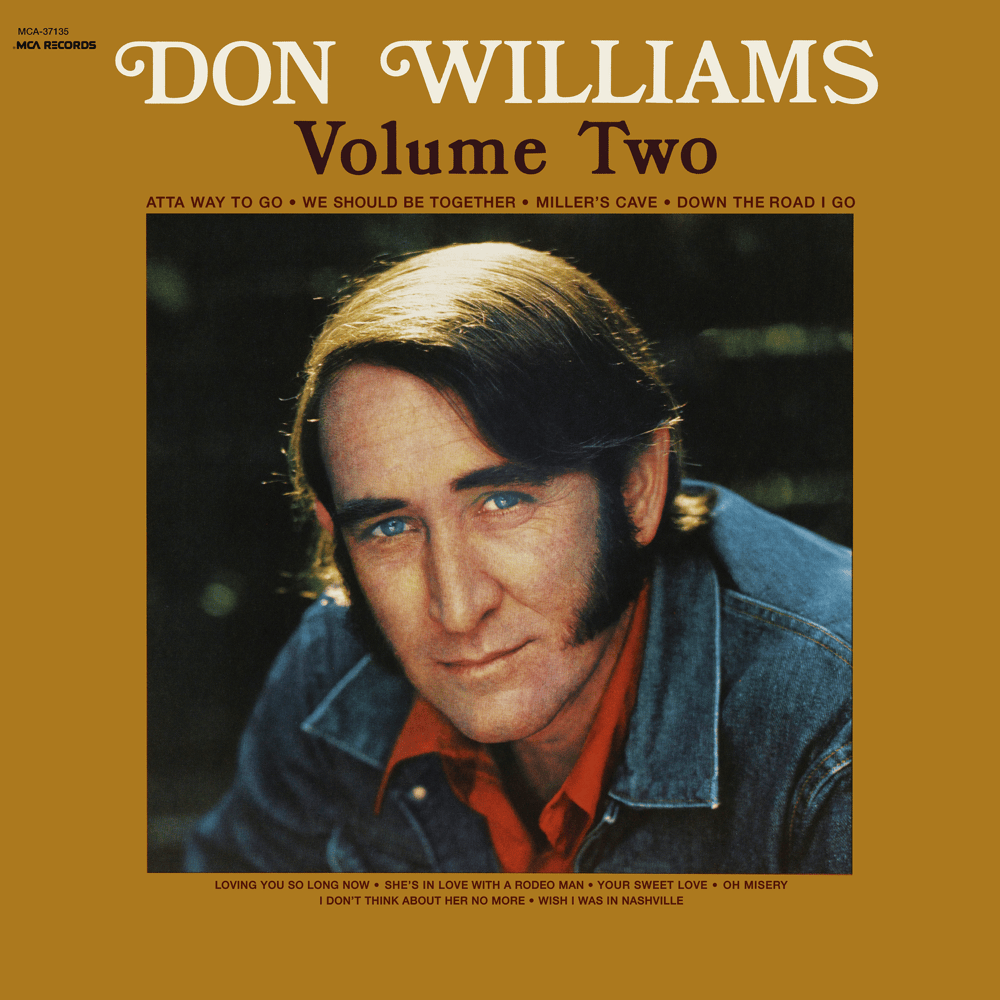
Don Williams's "Ладно (Okay)" (translated as such, despite the artist's typical English-language catalog) is a masterclass in understated heartbreak, dissecting the raw aftermath of a relationship's abrupt end. The repeated chorus, "Atta way to go, you finally broke it off," drips with a potent cocktail of sarcasm and genuine pain. It's the sound of someone trying to process the unthinkable, a relationship imploding despite what they believed to be a deep connection. The phrase becomes an ironic indictment, a bitter acknowledgment of the finality of the situation. The inability to "talk or cry or even wonder why" speaks volumes about the communication breakdown that preceded the split. It suggests a relationship where emotional expression was either stifled or dismissed, leaving the narrator stranded in a sea of confusion.
The verses paint a picture of devotion turned to disillusionment. The opening lines, "Didn't you believe me when I loved you? I guess you thought we were playing games," cut to the heart of the matter: a fundamental disconnect in understanding the relationship's seriousness. The narrator's bewilderment is palpable, grappling with the realization that their perception of the bond was drastically different from their partner's. The admission, "All this time I tried to think I've known you, I guess I really only knew your name," is a particularly brutal moment of self-awareness. It highlights the painful truth that intimacy isn't merely about proximity but about genuine understanding and shared vulnerability.
Williams, through the narrator, lays bare the vulnerability of dedicating oneself entirely to another person. The lines "I thought you knew I lived my life just for you… there was just no price too big to pay" reveal the extent of their commitment. Yet, this devotion becomes a source of anguish when met with indifference. The concluding lines, "And even though I know I still live for you, the feeling's that you show won't let me stay," encapsulate the tragedy of unrequited love. The narrator is trapped, still emotionally invested but forced to confront the reality that the other person's actions and lack of reciprocation make staying impossible. The song's power lies in its quiet devastation, a poignant exploration of the wreckage left behind when love's promises are broken.
 View Artist