Song Meaning
The lyrics paint a picture of someone enjoying a "jazzik," which is described as a "jazzowy pecik" – a phrase that seems to imply a relaxed, perhaps even slightly illicit, way of engaging with jazz music. This "jazzik" is presented as a remedy for nerves and stress, a reliable source of comfort. The repeated line "Zawsze za dziengi, nie na notesik" (Always for money, not on a notebook) suggests a transactional, perhaps underground, appreciation rather than a formal or academic one. It’s about the immediate, tangible benefit, not about keeping records or studying.
The core tension lies in the contrast between the perceived sophistication of jazz and the raw, almost crude, way it's consumed here. The narrator explicitly rejects "Jay-Z" in favor of "Miles Davis," signaling a preference for classic jazz, yet the overall vibe feels far from a sterile concert hall. The "jazzik" is "crazy," it's with "twa baby" (your baby), and it can be "lekki" (light) or "ciężki" (heavy), indicating a versatile, adaptable experience. The line "Nie dmucha w trąbę (nie), ryje berecik (tak)" (Doesn't blow in the trumpet (no), scratches the little helmet (yes)) is particularly intriguing, suggesting a more internal, perhaps even mind-altering, effect rather than a direct musical performance.
The repeated emphasis on "za dziengi" (for money) and the dismissal of "notesik" (notebook) highlights a pragmatic, almost street-level approach to enjoying this music. It’s not about intellectual pursuit but about a direct, sensory, and stress-relieving experience that has a price. The reference to "Albercik" (Little Albert) is another cryptic detail, possibly alluding to a specific method or persona associated with this way of enjoying jazz. The lyrics suggest a personal, almost secretive ritual of unwinding through jazz, valued for its immediate impact and accessibility.
Ultimately, the effectiveness of these lyrics stems from their evocative, if somewhat opaque, imagery and the insistent rhythm of repetition. They create a distinct mood – one of casual indulgence and stress relief tied to a specific, perhaps unconventional, engagement with jazz. The contrast between the high-art association of jazz and the down-to-earth, transactional language makes the narrator's enjoyment feel uniquely personal and grounded in immediate sensation rather than abstract appreciation.
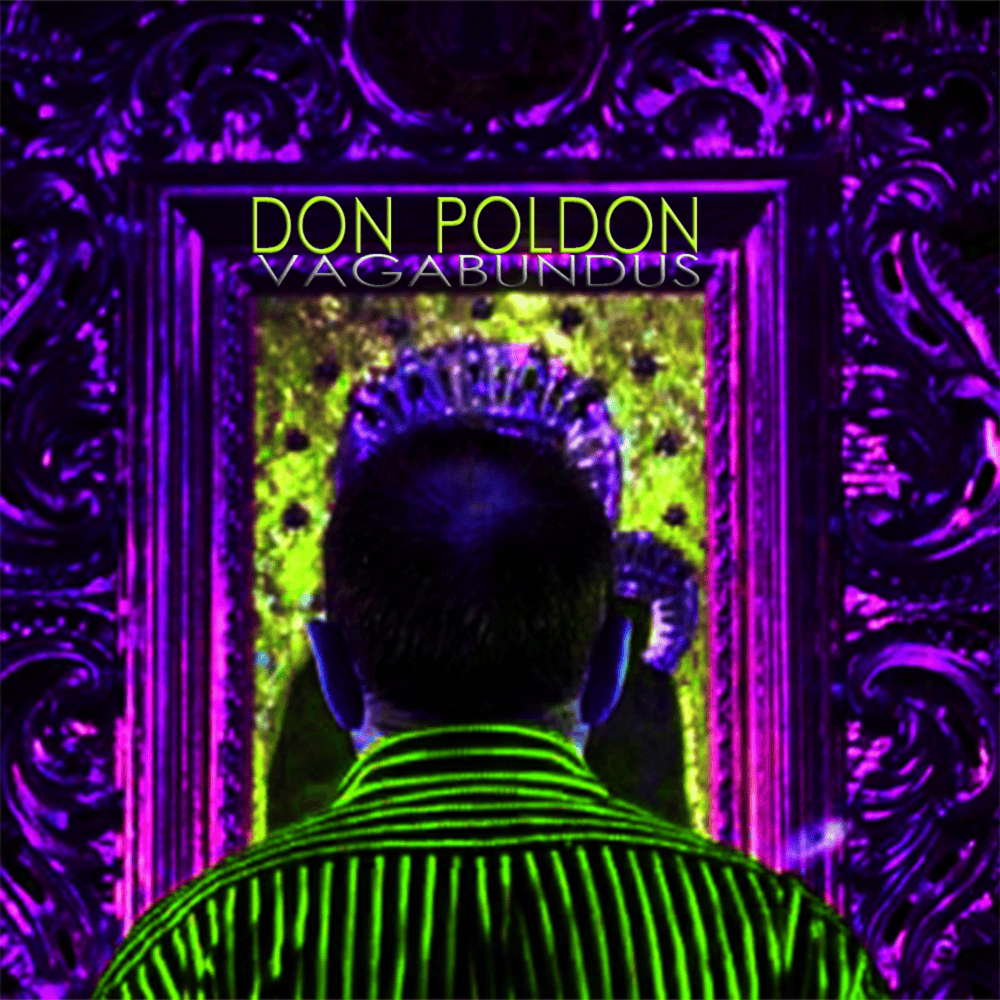
 View Artist