Song Meaning
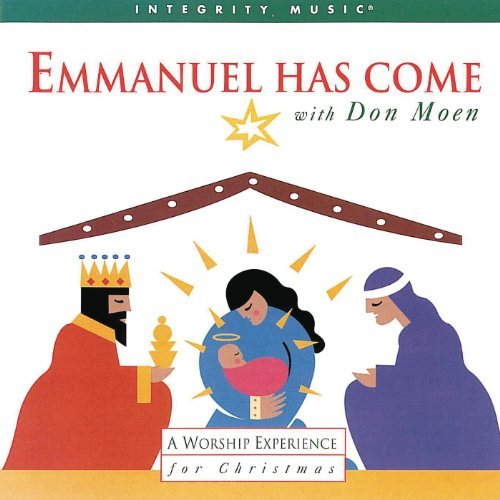
Don Moen's "Emmanuel Has Come" isn't a complex lyrical puzzle; instead, it functions as a sincere and direct expression of faith during the Christmas season. Stripped of ambiguity, the song's meaning resides in its unwavering declaration of the holiday's spiritual core: the birth of Jesus Christ and the promise of salvation. The lyrics bypass the secular trappings of Christmas, such as gift-giving and festive gatherings, to emphasize the theological significance of the event. The repetition of "God is with us" and "Emmanuel has come" reinforces the central theme of divine presence and intervention in human affairs. The song taps into a deep-seated need for spiritual reassurance and connection, particularly during a time often marked by heightened emotions and introspection.
The power of "Emmanuel Has Come" lies in its simplicity and accessibility. It's a sonic embodiment of the core Christian narrative, presented without layers of metaphor or irony. The lyrics frame Christmas not merely as a historical event but as an ongoing reality – a continuous opportunity for believers to experience God's love and grace. The repeated assertion that "Christ has come to fill our hearts with love" speaks to the transformative potential of faith and the possibility of finding solace and purpose in religious belief. The song actively rejects the notion that Christmas is simply "another story," positioning it instead as a pivotal moment in God's "eternal plan."
Ultimately, the song's straightforwardness is its strength. It offers a clear and comforting message of hope and redemption. "Emmanuel Has Come" doesn't seek to challenge or provoke; rather, it aims to affirm and uplift. By centering on the fundamental tenets of Christian faith, Don Moen crafts a song that resonates with listeners seeking spiritual grounding and a reaffirmation of their beliefs during the Christmas season. The song’s essence is not in poetic complexity, but in its accessibility as a heartfelt declaration of faith and celebration of the divine.
 View Artist