Song Meaning
Don McLean's raw and melancholic "Love Hurts" isn't just a lament; it's a stark confrontation with the disorienting reality of romance. Stripped down to its core, the song meaning circles around love's capacity to inflict pain, a theme rendered with unflinching directness. The repetitive phrasing, "Love hurts, love scars, love wounds and mars," hammers home the idea that love isn't always the gentle, comforting balm we're led to believe. It's a force that can leave lasting damage. The simplicity of the lyrics belies a deeper psychological truth: the vulnerability inherent in opening oneself to another person. McLean uses basic metaphors – a cloud heavy with rain, a stove burning when hot – to portray love as an elemental force, unpredictable and potentially destructive. These aren't saccharine images; they're grounded in the everyday, relatable experiences of heartache. It’s the pain of expectation unmet, the sting of betrayal, and the ache of loneliness amplified.
The line "I'm young, I know, but even so, I know a thing or two I learned from you" suggests a painful education, likely born from personal experience. This isn't just an abstract observation; it's a scarred perspective. The song's bridge, with its dismissive tone toward those who "live for happiness, blissfulness, togetherness," further reveals the singer's disillusionment. It's a rejection of idealized notions of love, a refusal to participate in what he sees as a collective delusion. There’s a sense of isolation in this stance, a feeling of being on the outside looking in at a world that clings to romantic fantasies.
Ultimately, "Love Hurts" is a study in emotional realism. McLean doesn't offer easy answers or comforting platitudes. Instead, he presents a clear-eyed view of love's darker side, acknowledging its capacity to wound and scar. The repetition of "Love hurts" throughout the song drives home the central message: pain is not an anomaly in love; it's an intrinsic part of the experience. The bleak simplicity of the song makes it almost an anthem for the heartbroken, a recognition that the pain is real, valid, and, perhaps, unavoidable.
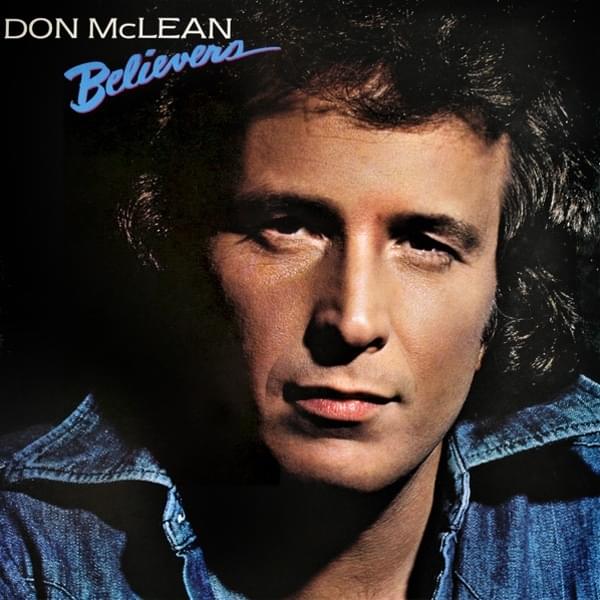
 View Artist