Song Meaning
These lyrics paint a vivid picture of a lone cowboy traversing the vast, open prairie. He's a "roaming cowboy riding all day long," finding his companions in the natural world. The dominant emotional texture is one of profound solitude, yet it's tempered by an undeniable sense of freedom and belonging to the expansive landscape.
The central emotional tension here lies in the paradox of being "Lonely but free." The speaker explicitly states this duality, suggesting that his solitary existence isn't a burden but a chosen path. He finds a strange kinship with the "tumbling tumbleweeds," which "sing their lonely song" and, surprisingly, are "Pledging their love to the ground" even as they drift. This personification elevates the tumbleweeds from mere scenery to fellow travelers, sharing a deep, if unrooted, connection to the earth.
The craft truly shines in how it uses repetition and imagery to build this unique identity. The recurring phrase, "Drifting along with the tumbling tumbleweeds," isn't just a description; it's a declaration of self, a philosophy. The speaker sheds the weight of the past — "Cares of the past are behind" — and embraces an uncertain future, trusting that he "will find / Just where the trail will wind." This acceptance of the unknown, coupled with the steadfast rhythm of his journey, creates a powerful sense of peace.
Ultimately, these lyrics are effective because they articulate a profound sense of belonging found not in a fixed place or relationship, but in perpetual motion and connection to the wild. The speaker, despite his constant movement, declares, "Here on the range I belong." It's a compelling vision of self-sufficiency and contentment, where freedom and rootedness aren't opposites, but two sides of the same windswept coin.
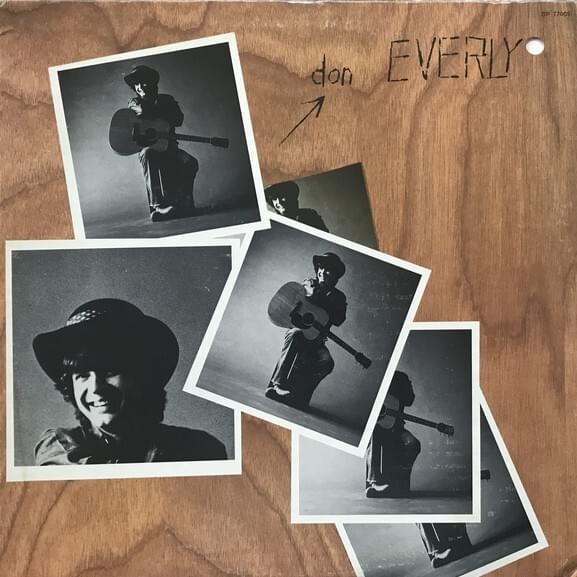
 View Artist