Song Meaning
The narrator is confronting a partner whose sudden declaration of love feels disingenuous, especially given past behavior. The initial lines paint a picture of a partner making a unilateral decision, asserting a possessive claim: "Tell me that you love me and have always been mine." This abruptness immediately triggers suspicion, as the narrator states, "I'm not so blind, I'm thinking it over." The power dynamic has clearly shifted, leaving the partner in an unfamiliar, vulnerable position.
The core tension lies in the reversal of roles and the lingering uncertainty of commitment. The phrase "It's funny how tables turn now" highlights this shift, and the sticky situation implies a difficult choice for the partner: "It's who's gonna stay." The narrator's contemplation, "I bet it feels quite strange / To come back and find I'm thinking it over," underscores the satisfaction derived from this newfound agency after a period of being on the receiving end of uncertainty.
The lyrics masterfully use mirroring to expose the partner's insecurity. The narrator observes, "The uncertain look I see in your eyes / Has been in mine too long." This shared, yet now distinct, feeling reveals a past imbalance where the narrator was the one left questioning. The partner's current "feeling you have when you look at the floor" is explicitly rejected by the narrator: "Isn't mine anymore." This signifies a definitive break from past subservience and a reclaiming of emotional independence.
Ultimately, the effectiveness of these lyrics stems from their portrayal of earned self-possession. The narrator acknowledges the partner's apparent need, "You look like you need me," but frames the decision to potentially stay as a pedagogical act: "I hope you learned a lesson, dear." The repeated refrain, "I'm thinking it over," becomes a mantra of control, signifying not indecision, but a deliberate, empowered evaluation of a relationship that was once one-sided.
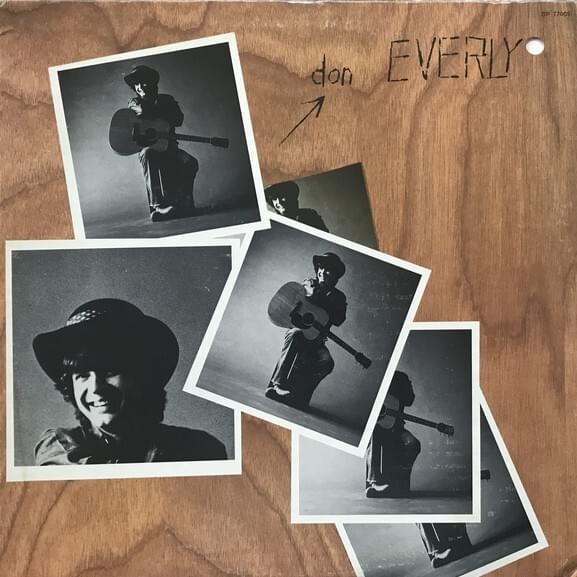
 View Artist