Song Meaning
The narrator presents a stark, almost minimalist vision of their desires, focusing on survival and solace rather than grand aspirations. They express a willingness to inhabit "houses of fortune" and be content with "moonstones," suggesting a life built from what's available, however humble. This isn't about seeking riches, but about finding a place and a sense of peace within scarcity.
The core tension lies in the contrast between what is *not* asked for – "the light" – and what *is* accepted or sought: "emergency kisses," "love hangovers," and "tired lips." The lyrics suggest a resigned acceptance of hardship and fleeting connection, a readiness to endure pain and find temporary relief, rather than a pursuit of lasting happiness or clarity.
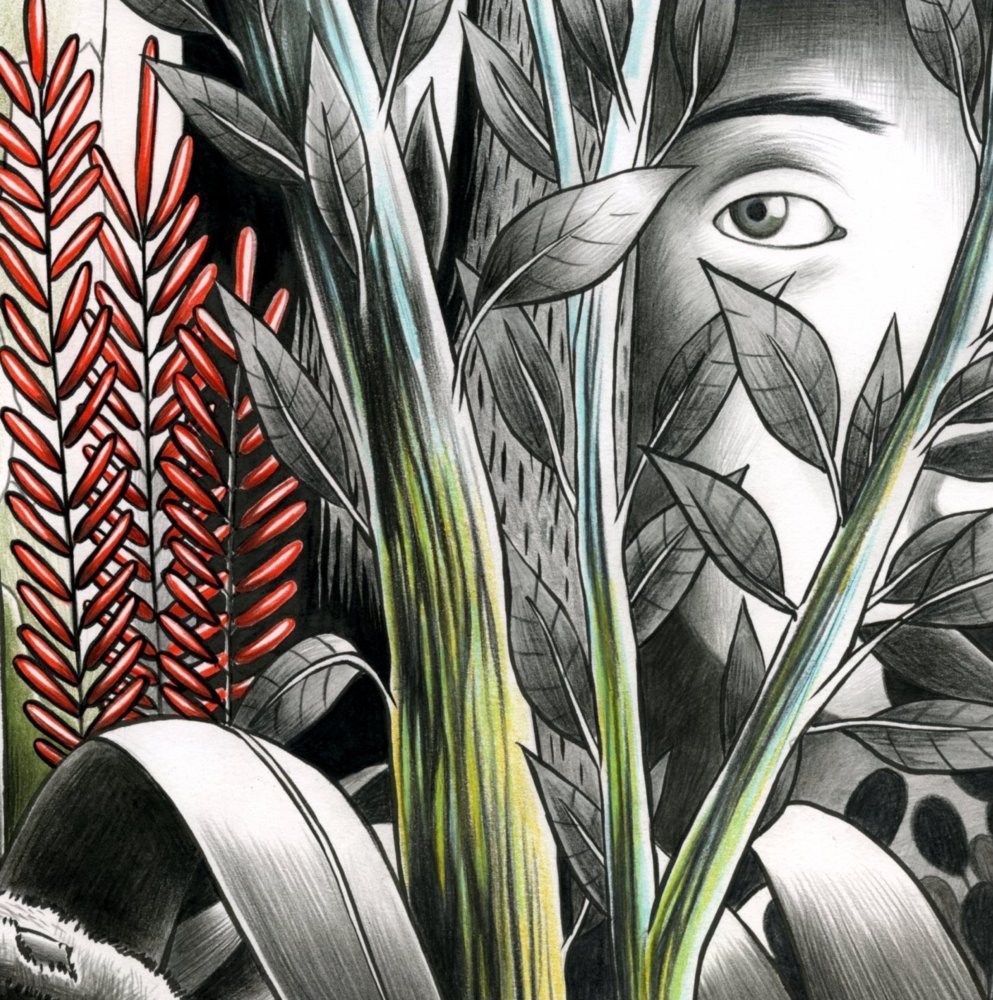
The most striking element is the repeated assertion, "I don't ask for the light, only a few lights." This isn't a rejection of all illumination, but a specific, limited request. The narrator seems to find comfort in the periphery, "along the river's edge," heading towards a street "that nothing lights up." This suggests a preference for the shadows, or at least a comfort zone found in the dim and the undefined.
This lyrical approach is effective because it grounds profound emotional states in concrete, if unusual, imagery. The narrator's quiet resilience, their ability to "recover from love hangovers" and "pull away from tired lips," speaks to a deep-seated survival instinct. The subtle plea for "a few lights" rather than "the light" captures a nuanced yearning for just enough guidance or warmth to navigate the darkness, without demanding a complete dispelling of it.
 View Artist