Song Meaning
The lyrics paint a picture of a profound, almost divine connection that was never fully articulated before a departure. The narrator reveals a secret shared between two people: their inherent immortality, a concept hidden beneath ordinary appearances. This revelation feels like a posthumous confession, a truth whispered too late, leaving the narrator grappling with the departed's potential awareness of this shared divinity. It's a poignant moment of delayed understanding.
The central tension arises from the contrast between this eternal nature and the finality of separation. The narrator questions if the departed knew they were 'immortels,' suggesting a shared, unspoken power. The imagery of kisses that linger and blood that doesn't dry points to a love so potent it defies physical decay. The act of drinking this blood together signifies a deep, almost alchemical union, a shared experience of this everlasting essence.
The most striking aspect is the narrator's evolving definition of immortality post-departure. The line, "Et toi qui n'es plus là, c'est comme si tu étais plus immortel que moi" is a profound twist. It suggests that the absence of the loved one, paradoxically, makes their immortality more palpable, perhaps even more potent, than the narrator's continued existence. The narrator's promise to follow "de près" hints at a continued, perhaps spiritual, pursuit, blurring the lines between life and whatever state follows.
This writing is effective because it grounds an abstract concept like immortality in visceral, intimate details. The physical sensations of kisses and blood, coupled with the raw emotion of loss and regret, make the idea of eternal connection feel both grand and deeply personal. The narrator's final, repeated assertion of their shared immortality, now tinged with the pain of absence, lands with a heavy, resonant finality.
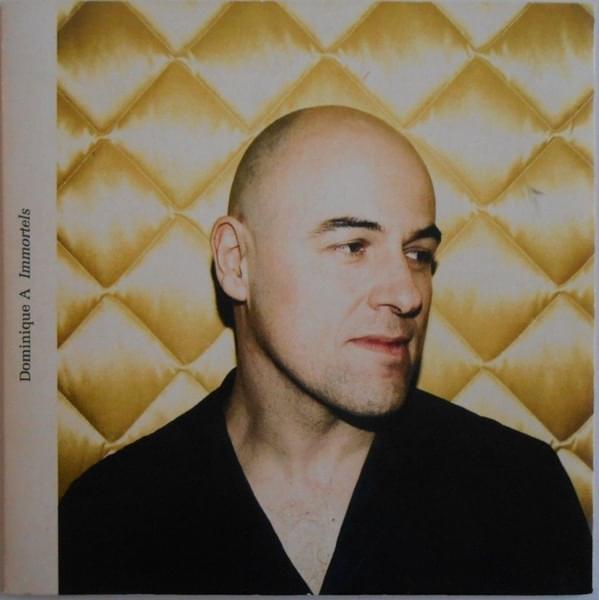
 View Artist