Song Meaning
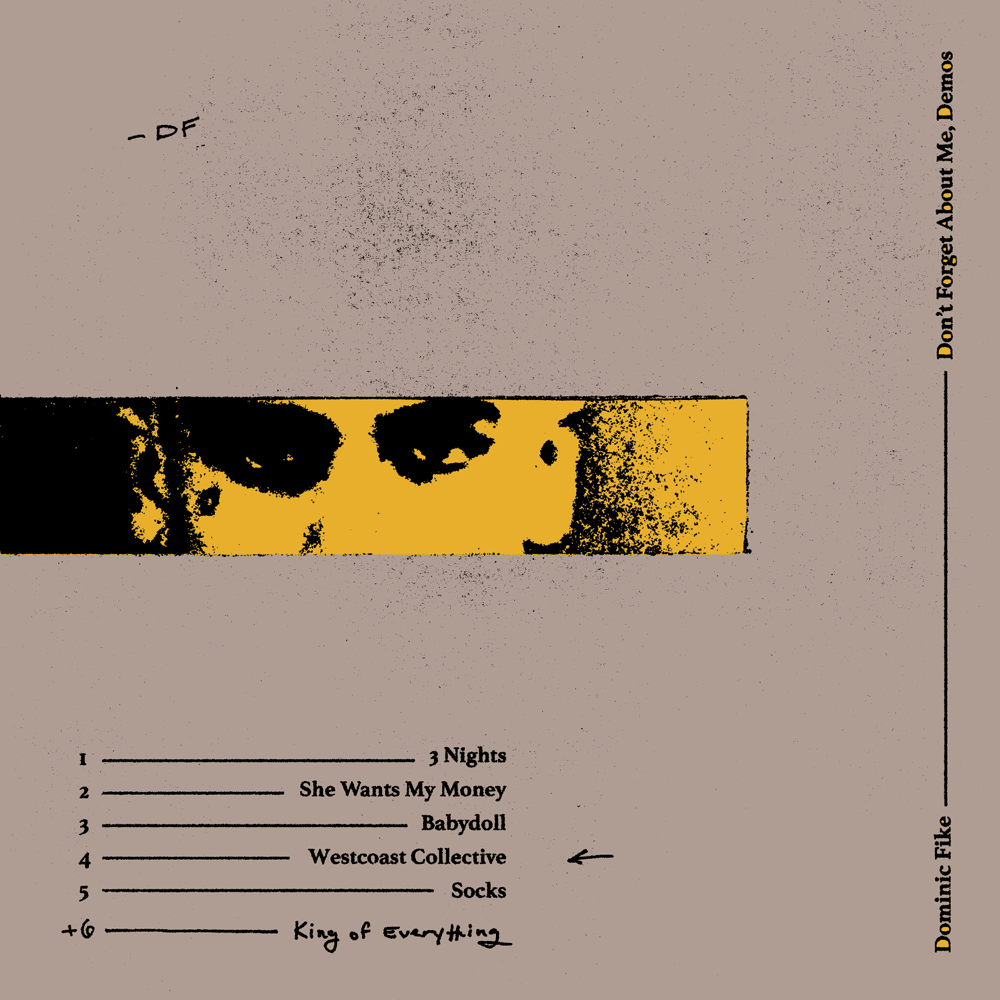
Dominic Fike's "Westcoast Collective" isn't just a nostalgic look back; it's a psychological snapshot of creative ambition crashing into the hard wall of reality. The repeated line, "I used to live out west in a collective," sets the stage for a memory—a time of shared artistic fervor. But the verse quickly pivots from idyllic community to the blunt force of collective arrest, suggesting a lifestyle where boundaries were not only blurred but outright shattered. The line, "everybody got arrested cause nobody wanted sleep" evokes the almost manic energy of young artists, pushing limits at the expense of stability. There's a biting arrogance, too, in Fike's admission: "I used to dish out verses on purpose / And if you wanted to purchase one you weren't as good as me." This isn't simple bragging; it's the raw, unfiltered ego of an artist who believes in his own hype, a trait that can be both a superpower and a fatal flaw.
The chorus, "Don't you go runnin' for the hills / You can't outrun it by yourself," acts as the song's emotional anchor. It speaks to the inevitable isolation that follows the disintegration of the collective. The 'hills' represent escape, a desperate attempt to outrun the consequences of past actions or the disillusionment that sets in when dreams don't materialize as planned. Fike isn't just observing; he's projecting, perhaps even warning a former comrade against the futility of solo flight. The second verse reinforces this theme of fractured connection. "And when I call you up, you barely answer / You think you got it all figured out / You act like you don't even remember." This paints a portrait of someone distancing themselves, rewriting history to cope with the fallout.
Ultimately, "Westcoast Collective" is Dominic Fike dissecting the volatile mix of creativity, ego, and consequence. It's about the allure and the danger of artistic collectives, the way they can amplify both talent and self-destruction. The song meaning explores the delicate balance between individual ambition and the need for community, and the often-painful realization that sometimes, the only way to survive is to confront the past, not outrun it.
 View Artist