Song Meaning
The lyrics paint a vivid picture of a yearning for escape and a simpler existence, contrasting the relentless flow of rivers towards the sea with a desire to swim against the current. The opening refrain establishes a natural, inevitable progression: Riacho do Navio flows into Pajeú, which empties into the vast São Francisco, ultimately reaching the immense ocean. This cascade of water mirrors a sense of being carried along by forces beyond one's control, a natural but perhaps unfulfilling trajectory.
The narrator's fantasy, however, flips this natural order entirely. "Ah, se eu fosse um peixe," they begin, imagining a life where they could defy the river's pull. The desire is to swim "contrário do rio," actively choosing a path back upstream, away from the "terra civilizada." This isn't just about returning home; it's a deliberate act of rebellion against the established flow, a quest for a specific, untouched haven.
This imagined sanctuary, the "riacho do navio," is depicted through idyllic scenes of rural life. The narrator envisions "fazer o meu ranchinho," engaging in traditional activities like "caçadas" and "vaquejadas," and finding peace in natural sounds like "o som do chocalho" and "a passarada." The key here is the explicit rejection of the modern world: "Sem rádio e sem notícia das terra civilizada." It's a profound longing for disconnection and a return to a more elemental, unmediated experience of life.
The power of these lyrics lies in this stark contrast between the inescapable, outward-bound journey of the rivers and the narrator's internal, backward-looking desire. The repeated refrain emphasizes the natural order, while the verses articulate a deep-seated wish to break free from it, seeking solace in a place defined by its very isolation and simplicity. It's a poignant expression of wanting to reverse course, to find peace not in the vastness of the ocean, but in the quiet origins of the stream.
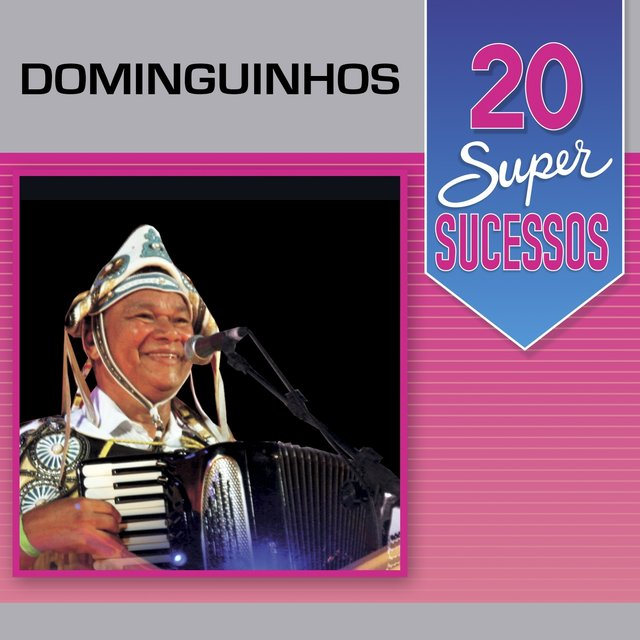
 View Artist