Song Meaning
Three days of sleepless nights paint a stark picture of a love abruptly ended. The narrator is consumed by the sudden departure of their "grande amor," who left in the dead of night without a word, leaving behind a void and unanswered questions. This silent exit, the lack of explanation for the departure or the narrator's perceived fault, fuels a profound sense of abandonment and heartbreak. The dominant emotional tone is one of stunned grief and utter desolation.
The central tension lies in the narrator's painful realization of unrequited love and the subsequent decision to shut down emotionally. The lyrics reveal a deep hurt stemming from loving someone who doesn't reciprocate, a situation that has now led to a definitive vow: "E depois dessa não vou mais amar." This isn't just about losing a specific love; it's about a fundamental shift in the narrator's willingness to engage with love at all, a complete withdrawal from future emotional vulnerability.
The most striking craft element is the stark contrast between the quiet, stealthy departure and the immense internal devastation it causes. The lover "saiu sozinho e sem falar nada," "era madrugada, não me despertou," and "saiu calado pela noite a fora." This silent, almost invisible exit is juxtaposed with the narrator's sleeplessness and the explicit declaration that "meu peito agora não é mais feliz." The repetition of "Levou toda minha alegria / Felicidade foi também" hammers home the totality of the loss, emphasizing that everything positive has been stripped away.
These lyrics hit hard because they articulate the specific, gut-wrenching pain of loving someone who doesn't love you back, culminating in a definitive, albeit tragic, resolution. The narrator's vow to "nem vou aceitar amor de mais ninguém" is a raw expression of self-protection born from profound hurt. The simple, direct language makes the emotional impact immediate and undeniable, capturing the feeling of being completely hollowed out by a love that was never truly shared.
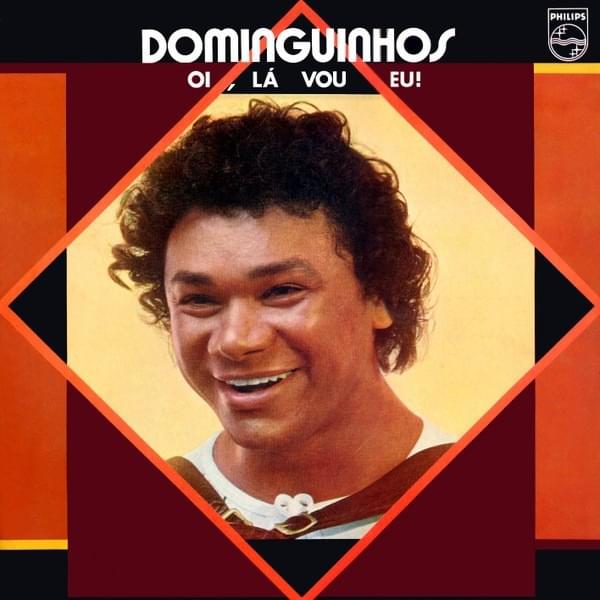
 View Artist