Song Meaning
The narrator returns home, explicitly stating "Estou de volta pro meu aconchego" (I'm back to my comfort). This homecoming is laden with "bastante saudade" (a lot of longing), indicating a significant absence. They seek simple, profound comforts: "Um sorriso sincero, um abraço" (a sincere smile, a hug) to combat "meu cansaço" (my tiredness) and "toda essa minha vontade" (all this desire).
This return is driven by a deep emotional need, a yearning for connection that was clearly missing. The lyrics paint a picture of someone who has been away and felt incomplete, describing it as "Parece que falta um pedaço de mim" (It seems like a piece of me is missing). The joy of returning is palpable, a stark contrast to the emptiness experienced during separation.
The writing emphasizes the transformative power of reunion. The narrator expresses immense pleasure in being "contigo de novo" (with you again), focusing on physical intimacy like "Roçando o teu corpo e beijando você" (Brushing your body and kissing you). This person is elevated to an almost celestial status, "a estrela mais linda" (the most beautiful star), whose eyes "me prendem, fascinam" (hold me, fascinate me), offering "A paz que eu gosto de ter" (The peace I like to have).
The effectiveness lies in its directness and the clear emotional arc. The lyrics move from the weariness of absence to the overwhelming relief and joy of homecoming. The imagery, though simple, is potent, highlighting how the presence of a loved one can restore a sense of wholeness and provide unparalleled peace, making the return feel like a "mergulhar na felicidade sem fim" (diving into endless happiness).
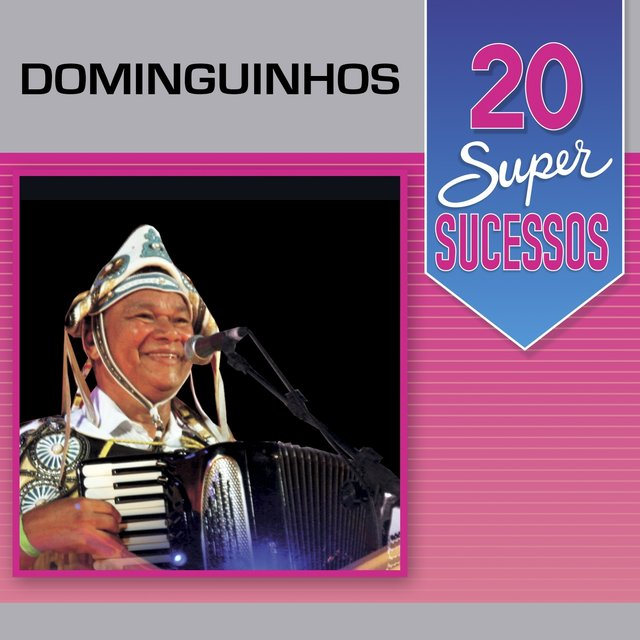
 View Artist