Song Meaning
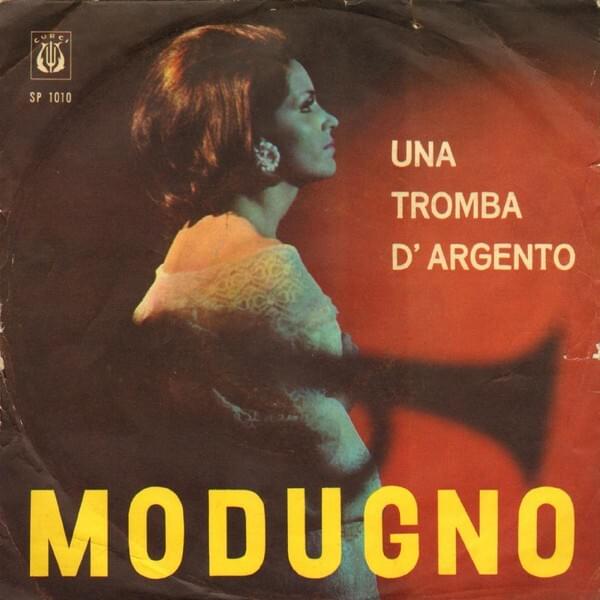
{"song_id": 14760495, "meaning": "Domenico Modugno's \"Una Tromba D'argento\" isn't just a song; it's a melancholic soundscape painted with the hues of lost love and autumnal solitude. The silvery trumpet that wails through the night isn't merely an instrument, but a sonic embodiment of grief, its mournful notes echoing the protagonist's desolation. The song’s power lies in its stark simplicity: a memory of moonlit embraces on the beach, brutally cut short by the inevitable return of September, a symbolic harbinger of endings. This isn't just heartbreak; it's the quiet devastation of realizing that ephemeral moments, however beautiful, are destined to fade. The sea, a constant presence, becomes both witness and accomplice to his sorrow.
The recurring image of the silver trumpet crying in the night elevates the personal grief to something almost mythic. It's not merely about one lost love, but about the universal experience of fleeting joy and the enduring ache of absence. Modugno masterfully uses the trumpet as a metaphor for the lingering pain that haunts the protagonist long after the relationship's end. The trumpet's cry becomes a ritualistic lament, a nightly performance of sorrow against the backdrop of the vast, indifferent sea.
The lyrics analysis reveals a delicate balance between specific memory and broader emotional resonance. The reference to September isn't just a date; it's a symbol of transition, of nature's own cycle of decay mirroring the disintegration of the relationship. The wind of autumn carries away not just leaves, but also the remnants of their love, leaving the protagonist utterly alone. The repetition of \"Ora sono solo, solo con il mare\" (\"Now I am alone, alone with the sea\") underscores the profound isolation, the vastness of the ocean amplifying the feeling of being utterly adrift in the wake of heartbreak. In \"Una Tromba D'argento\", Domenico Modugno crafts a timeless portrait of longing, where the music itself becomes the language of unspoken sorrow."}
 View Artist