Song Meaning
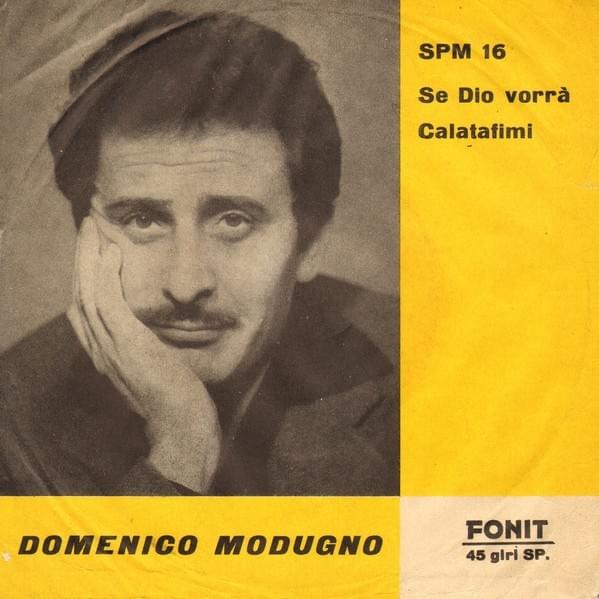
Domenico Modugno's "Se Dio vorrà" is a masterclass in bittersweet longing, a poignant exploration of love suspended by fate and obligation. The song, while seemingly simple in its lyrical construction, resonates with a depth of emotion that speaks to the universal human experience of separation and the hope for eventual reunion. Modugno immediately establishes a scene of impending departure, the protagonist forced to leave his beloved, a decision that clearly causes him immense pain. He pleads with her not to grieve, acknowledging the necessity of his leaving, yet simultaneously planting the seed of hope for his eventual return. This push and pull between duty and desire forms the emotional core of the song.
The promise of return, however, is not presented as a certainty, but rather contingent upon divine will – "Se Dio vorrà" (If God wills it). This conditional phrasing elevates the song beyond a simple love ballad, imbuing it with a sense of vulnerability and acceptance of a higher power's influence. The lyrics paint a vivid picture of the idyllic homeland he yearns to return to: a place by the sea, with a house nestled among olive trees, symbolizing peace, tranquility, and rootedness. This setting serves as both a geographical location and a metaphor for the emotional haven he seeks to rediscover with his lover.
The repetition of "Se Dio vorrà!" at the song's conclusion reinforces the precariousness of the situation. It's not a confident declaration, but rather a heartfelt plea, a prayer whispered into the wind. The analysis of these lyrics reveals a complex interplay of love, duty, hope, and faith. Modugno captures the essence of human experience, where even the strongest desires are subject to forces beyond our control, leaving us to rely on hope and the possibility of divine intervention. The song meaning ultimately rests on this delicate balance, making it a timeless testament to the enduring power of love in the face of uncertainty.
 View Artist