Song Meaning
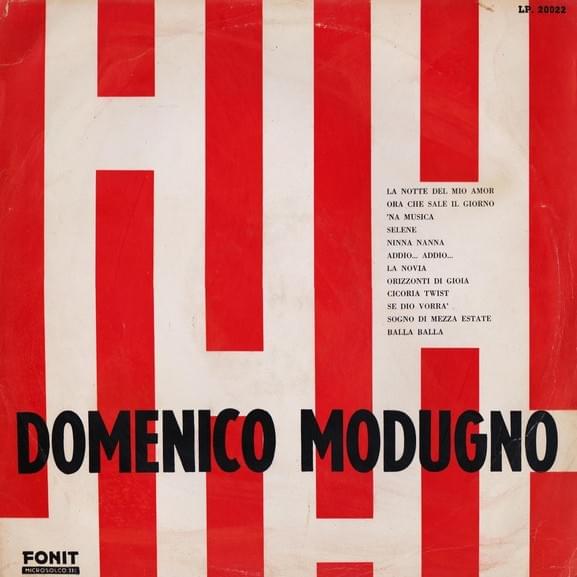
Domenico Modugno's "Ora che sale il giorno" paints a sonic landscape of melancholic solitude tinged with lingering affection. The track opens with the fading of night, a classic metaphor for the end of a turbulent period. The moon, dissolving into the clear sky, symbolizes memories receding, losing their sharp edges as time marches on. September in the plains, described with vivid imagery—green meadows mirroring southern valleys in springtime—suggests a yearning for renewal, a return to a state of youthful vibrancy, even if just in memory. This sets the stage for the core of the song's meaning: a deliberate choice of isolation.
The narrator confesses to leaving his companions and hiding his heart. This isn't presented as bitterness, but as a necessary step for remembrance. The object of his affection, however, is "più lontana della luna"—further than the moon. This line isn't just about physical distance; it speaks to an emotional chasm, an unbridgeable gap that transforms love into a solitary act of recollection. The repetition of "A ricordare te, che sei / Più lontana della luna" emphasizes the futility of the pursuit, yet also the unwavering commitment to the memory.
The phrase "Ora che sale il giorno" (Now that the day rises) acts as a refrain, marking the passage of time and the persistent presence of both the beautiful memory and the painful distance. The rising sun, typically a symbol of hope, is here filtered through the lens of longing. It illuminates the landscape of loss, making the memory of the loved one all the more poignant against the backdrop of a new day. The song, therefore, becomes an elegy to a love that exists only in the past, a testament to the enduring power of memory even in the face of insurmountable separation. Modugno masterfully captures the bittersweet nature of holding onto something that is forever out of reach.
 View Artist