Song Meaning
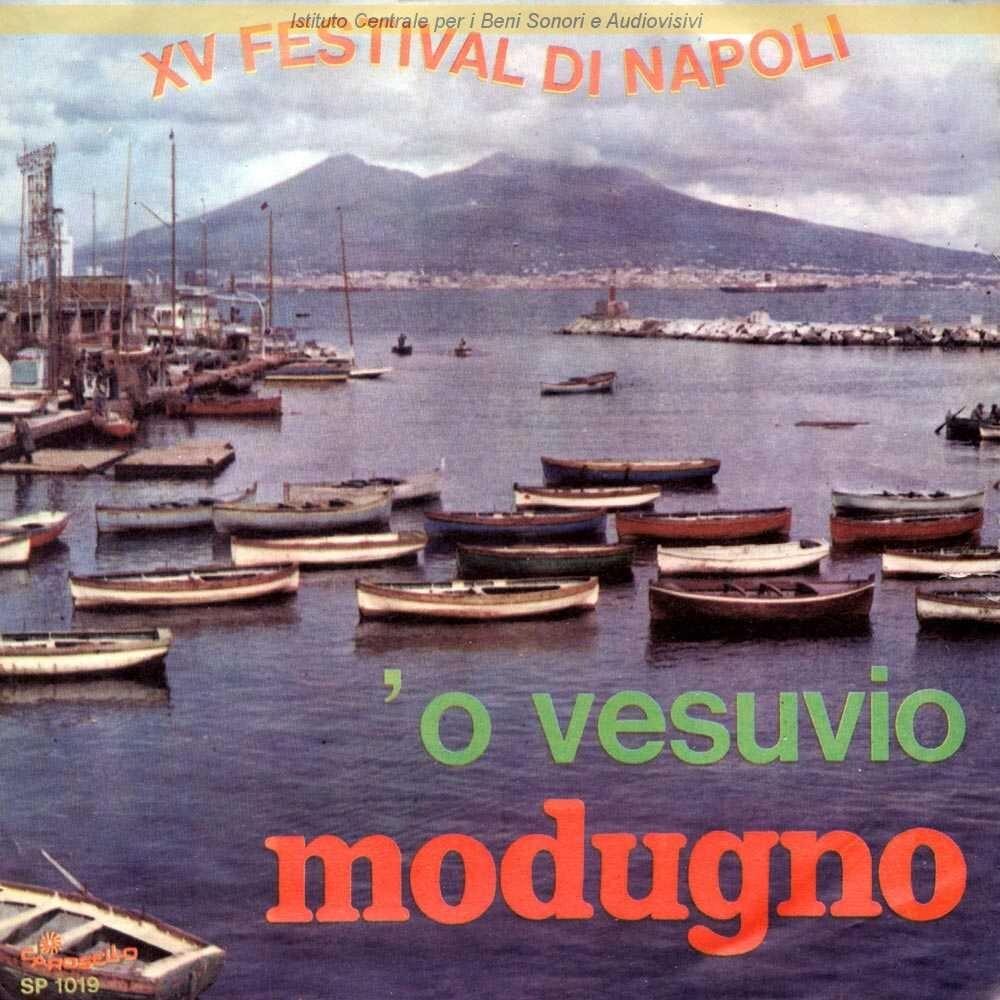
Domenico Modugno's "'O Vesuvio" is not just a song; it's a lament, a sonic portrait of grief etched onto the very landscape of Naples. The opening lines, a plaintive query – "Who is crying? Who is crying on the mountain?" – immediately establishes a tone of mourning. The mountain in question is, of course, Vesuvius, the brooding, iconic volcano that looms over the city, a constant reminder of nature's power and potential for destruction. But here, Vesuvius is not a symbol of threat; it's a figure of profound sorrow. The song portrays the volcano as a "giant of the mountain" who is now diminished, his fiery essence reduced to a mere flicker. The repetition of "Ma comme se lagna" ("But how he laments") underscores the depth of his suffering. The lyrics paint a picture of Vesuvius in its prime: a force of nature whose rage inspired terror, its dark "hair" obscuring the sun. It was once passionately intertwined with Naples, almost in a love affair. This vibrant energy is now gone, replaced by a palpable sense of loss.
The heart of the song meaning lies in Naples's response to Vesuvius's decline. "Mo' Napule chiagne" ("Now Naples cries") is repeated like a mournful refrain, emphasizing the city's shared sorrow. This is not just about a mountain; it's about a deep connection between the land and its people. Vesuvius is more than just a geographical feature; it's an integral part of Neapolitan identity, and its suffering is felt collectively. The lyrics evoke a sense of empathy, suggesting that the city's well-being is intrinsically linked to the volcano's vitality. The imagery of a "pink cloud" descending from the sky to embrace Vesuvius offers a moment of solace, a suggestion of comfort in the face of despair.
The final verses introduce a glimmer of hope amidst the grief. The sound of a mandolin, described as "a mandulinata," is heard in the distance, signaling the arrival of the entire city to sing to the ailing giant. This act of collective mourning transforms into a communal expression of love and support. While the song acknowledges the pain of Vesuvius's decline, it also highlights the resilience and unity of the Neapolitan people. The song's meaning transcends a simple lament; it becomes a testament to the enduring bond between a city, its volcano, and the shared cultural identity that binds them together. It's a reminder that even in the face of loss, community and tradition can provide comfort and strength.
 View Artist