Song Meaning
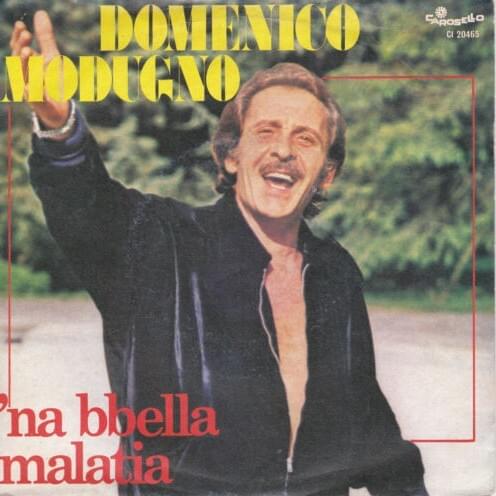
Domenico Modugno's "'Na bbella malatia" isn't just a love song; it's a fever dream of obsession, painted with the vibrant colors of Neapolitan passion. The title itself, translating to "a beautiful disease," sets the stage for an exploration of love as something both intoxicating and destructive. It's a concept familiar to anyone who's felt the sting of infatuation, that point where desire transcends reason and becomes a force beyond control. Modugno isn't singing about a healthy, balanced relationship; he's confessing to an addiction, a beautiful malady that he seemingly doesn't want to cure. The opening lines establish this immediately: "This love is madness, a beautiful disease that cannot be cured."
The genius of the song meaning lies in its embrace of contradiction. He acknowledges the potentially harmful nature of this love, comparing it to a curse ("'na fattura") that grips him with feverish intensity. Yet, there's a perverse pleasure in the suffering. He confesses that this sin is sweet, questioning who is to blame for his infatuation. This push-and-pull, the simultaneous recognition of danger and the inability to resist, is what gives the song its emotional weight. It’s a raw, honest portrayal of how love can warp our perceptions and override our self-preservation instincts.
Ultimately, "'Na bbella malatia" captures the essence of lovesickness in its most dramatic form. It's not about gentle affection, but about a consuming fire that threatens to overwhelm. The final verse underscores this, depicting love as a storm that rages until someone cries "enough." The repetition of "Tu ca me fai murì, tu ca me fai impazzì" (You make me die, you make me go crazy) emphasizes the torment, but also the thrill. Modugno isn't merely a victim; he's a willing participant in this dance of desire, caught in the throes of a beautiful, devastating illness.
 View Artist