Song Meaning
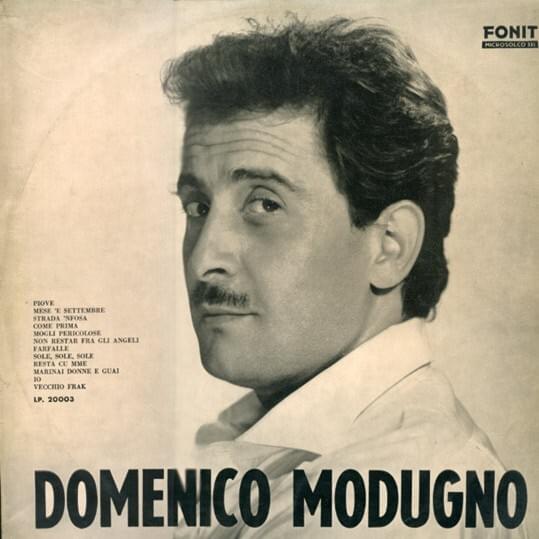
Domenico Modugno's "Mese 'e settembre" isn't just a song; it's a masterclass in sonic melancholy, a perfectly sculpted portrait of autumnal heartbreak. Modugno, a titan of Italian song, doesn't need grand narratives to gut-punch you. Instead, he uses the subtle, creeping dread of September as a metaphor for love's inevitable decline. The opening lines paint a stark picture: autumn arrives, leaves fall, days fly by, and a final goodbye hangs in the air. It's a scene of decay, mirrored in the narrator's own emotional landscape. The beauty of the song lies in its simplicity; Modugno understands that sometimes, the most profound emotions are best expressed through understated imagery.
The natural world mirrors the narrator's inner turmoil. Clouds drift across the sky, the sun pales, and sails tremble in the sea as the mistral wind strengthens. These aren't just pretty pictures; they're sonic representations of vulnerability and loss. The withering roses on the Riviera become a symbol of fading beauty and the ephemeral nature of romance. The heart tightens, not from dramatic betrayal, but from the quiet, creeping realization that something precious is slipping away. There's a palpable sense of powerlessness, a feeling that the narrator is merely a spectator to his own heartbreak.
Ultimately, "Mese 'e settembre" is a haunting meditation on endings. September, the month of goodbyes, becomes the harbinger of lost love. The genius of Modugno lies in his ability to connect the personal with the universal. We've all felt the pang of a relationship ending, the sharp sting of loss. By setting this experience against the backdrop of a fading season, Modugno elevates it to something timeless and deeply resonant. The song's power resides not in what is explicitly stated, but in the emotional space it creates – a space of quiet reflection, tinged with the bittersweet beauty of letting go.
 View Artist