Song Meaning
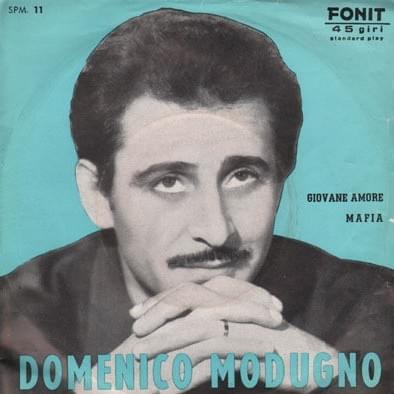
{"song_id": 14760297, "meaning": "Domenico Modugno's \"Mafia\" isn't a glorification; it's a stark, almost anthropological observation delivered with the chilling detachment of a seasoned crime reporter. The song's power lies in its unflinching portrayal of the Mafia as a pervasive, almost mythical entity, deeply embedded in the Sicilian landscape and psyche. Modugno avoids sensationalism, opting instead for a matter-of-fact tone that amplifies the sense of dread and inevitability. The recurring phrase \"L'onorata società\" (the honored society) drips with irony, highlighting the twisted code of honor that underpins the organization's brutality. It's not just about violence; it's about a warped value system that has metastasized into the very fabric of society.
The lyrics paint a picture of the Mafia's expansion, moving from the rural hinterlands to the heart of the capital. This isn't a localized problem, Modugno suggests, but a malignant force that has infiltrated every level of Italian society, from churches and palaces to the halls of power. The \"five black horses\" in the opening verse evoke a sense of foreboding, signaling the arrival of death and destruction. The men's faces are described as \"senza pietà\" (without pity), underscoring the dehumanizing effect of the Mafia's code. This isn't a story of individuals, but of a system that crushes empathy and rewards ruthlessness.
The chorus, with its stark pronouncements – \"Mafia è leggi di sangue, Mafia è leggi d'unuri\" (Mafia is the law of blood, Mafia is the law of honor) – encapsulates the song's central theme. It's a chilling reminder that the Mafia operates according to its own rules, a set of perverse principles that stand in direct opposition to morality and justice. The line \"Leggi ca spacca lu cori\" (laws that break the heart) hints at the emotional toll exacted by the Mafia's reign of terror. Modugno's \"Mafia\" isn't just a song; it's a cultural diagnosis, a grim assessment of a society grappling with a deeply entrenched criminal enterprise and its devastating consequences."}
 View Artist