Song Meaning
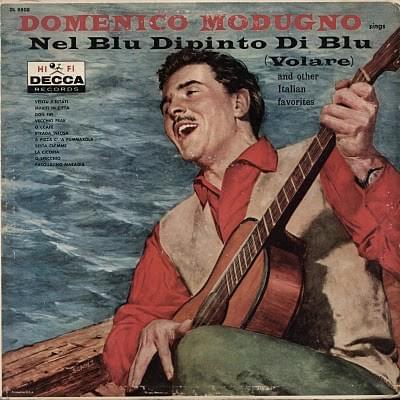
Domenico Modugno's "La cicoria" might seem like a simple folk tune on the surface, but beneath its repetitive structure and seemingly basic lyrics lies a commentary on sustenance, family, and perhaps, the cyclical nature of life itself. The recurring image of pulling water from the well and the plea to not water the chicory initially suggest a concern for resource management, a careful balance between nurturing the essential (the gourd, or "cocuzza") and preserving something perhaps more humble, yet equally vital (the chicory). This establishes a dichotomy between immediate needs and the value of the commonplace. It is a humble song, but the insistent repetition of "iuni mami iuni papi iuni mangi iù" (I eat, Mom, I eat, Dad, I eat) reinforces the primal act of eating as a unifying force within the family.
The core of the song meaning resides in the insistent return to chicory. The verses emphasize how everyone – mother, daughter, son, grandmother – consumes chicory. This shared act of eating transcends age and gender, binding them together in a shared experience. Chicory, in this context, becomes more than just a food; it symbolizes tradition, family heritage, and perhaps even resilience in the face of hardship. The bridge, urging listeners to "go to the market and buy the best," suggests a valuing of quality, even within the context of a simple meal. This could be interpreted as a subtle nod to finding joy and pride in even the most basic aspects of life.
Ultimately, "La cicoria" is not a song about grand pronouncements or complex emotions. Instead, it offers a glimpse into the heart of a family, connected by the simple act of sharing a meal. The cyclical structure of the lyrics, mirroring the cyclical nature of daily life, reinforces this sense of continuity and tradition. While it's easy to dismiss the song as simplistic, its power lies in its ability to elevate the ordinary, reminding us of the profound connections forged through shared sustenance and the enduring strength of family bonds. The song becomes a celebration of the everyday, a reminder to find value and meaning in the simplest of things.
 View Artist