Song Meaning
Domenico Modugno's "Appendi un nastro giallo" (Tie a Yellow Ribbon) isn't merely a sentimental ballad; it's a study in the anxiety of reintegration, the fragile hope of reconciliation, and the transformative power of enduring love. The song's core revolves around a recently released prisoner's plea to his former lover. He's served his time, but freedom rings hollow if she no longer reciprocates his affections. The yellow ribbon, a simple yet potent symbol, acts as a litmus test. Its presence signals forgiveness and renewed commitment; its absence signifies abandonment. Modugno masterfully captures the protagonist's vulnerability. He acknowledges his past, hinting at the potential for change wrought by confinement. The lyrics, particularly the line "Se sapessi quanto un uomo può cambiare / Rinchiuso laggiù," suggest a journey of introspection and a desire for a fresh start.
The song's brilliance lies in its understanding of the psychological toll of incarceration, not just on the individual, but also on their relationships. Three years is described as an eternity, but the real fear isn't the lost time, it's the potential erosion of connection. The repeated refrain, "Appendi un nastro giallo su quell'albero / E io capirò che mi ami ancora," underscores the precariousness of his position. He's not demanding her love, but rather seeking a clear sign, a visual confirmation that he's not returning to a void. This speaks to a deep-seated need for reassurance, a common trait in individuals re-entering society after a period of isolation.
Ultimately, "Appendi un nastro giallo" transcends its narrative simplicity. It's a poignant exploration of redemption, forgiveness, and the enduring human need for connection. The jubilant climax, where the protagonist discovers not one, but "mille nastri gialli" (a thousand yellow ribbons), offers a powerful message of hope. This overwhelming display of support suggests a community willing to embrace second chances, a powerful counterpoint to the isolation and uncertainty that permeate the earlier verses. The Domenico Modugno song meaning, therefore, resides not just in the story of a returning convict, but in the universal yearning for acceptance and the transformative potential of unwavering love.
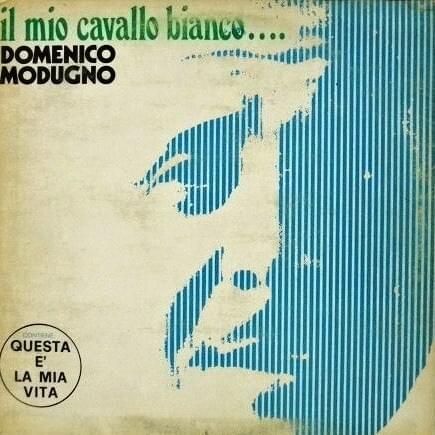
 View Artist