Song Meaning
The lyrics open with a profound declaration of faith and surrender, positioning the speaker as a devoted child of a divine entity. This initial tone is one of absolute trust, believing that every action and event is divinely ordained and that the speaker is an integral part of a grand, loving plan. The imagery of stars and the assertion that God thinks of the speaker, coupled with the idea that no one is superfluous, establishes a sense of divine care and purpose.
The central tension emerges from a stark contrast between this initial devotion and the speaker's subsequent actions and perceptions. While the lyrics acknowledge God as the source of all life and the possessor of all keys, they pivot dramatically to a confession of being sent to "bomb cities" and kill "sleeping people." This violent imagery clashes directly with the earlier plea for divine strength and love, suggesting a profound internal conflict or a disturbing external command that the speaker feels compelled to obey despite their stated faith.
The most striking craft element is the juxtaposition of religious devotion with acts of mass destruction. The speaker attributes their violent mission to God, stating, "Everything I've done – it's a gift to you." This twisted logic, where destruction is framed as a divine offering, creates a deeply unsettling effect. The lyrics then question God's presence, asking, "But where are you yourself?" and describing God as "laughing with the blackness of your lips." This paints a picture of a malevolent or absent deity, whose "gifts" are acts of terror, and whose faith is ultimately hollow.
This song's impact stems from its audacious subversion of religious language and imagery. It takes the familiar tropes of faith, divine will, and sacrifice and twists them into a narrative of terror and existential dread. The speaker's desperate pleas for love and strength, immediately followed by their role as an instrument of death, create a chilling portrayal of a soul grappling with, or perhaps even complicit in, unspeakable violence under a perceived divine mandate. The final lines, suggesting that if faith in God doesn't exist, then God too will cease to be, leave a lingering sense of nihilism and the terrifying possibility that such acts of destruction might ultimately erase the divine itself.
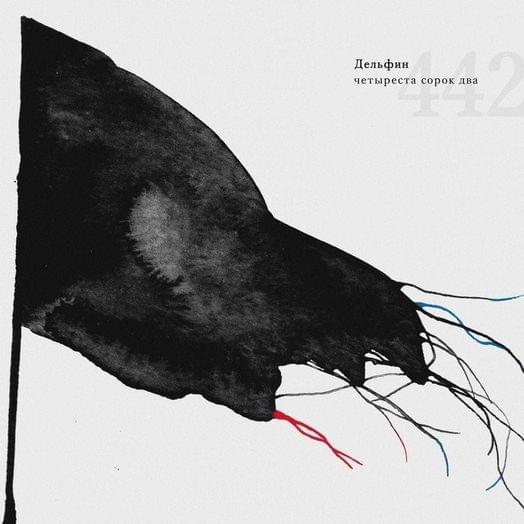
 View Artist