Song Meaning
The lyrics paint a stark picture of inevitable separation, set against a melancholic twilight. The narrator observes "blue eyes crying in the rain," a poignant image that immediately establishes a tone of profound sadness and loss. This isn't just a fleeting moment of sorrow; the narrator acknowledges the finality of the parting, stating, "I knew we'd never meet again." The rain itself becomes an almost tangible manifestation of grief, blurring the edges of the scene and mirroring the tears.
The central tension lies in the contrast between the enduring nature of memory and the absolute finality of the separation. The narrator declares, "Love is like a dying ember," a metaphor that captures the fading warmth and life of the relationship. Yet, this fading love is paradoxically immortalized in memory: "only memories remain." This creates a powerful emotional conflict – the relationship is over, yet the image of the crying eyes will persist "through the ages."
The most striking aspect of the craft is the persistent, almost hypnotic repetition of "blue eyes crying in the rain." This phrase acts as an anchor, grounding the abstract pain of loss in a concrete, visual detail. It’s not just about the memory of tears, but the specific image of those blue eyes, amplified by the somber atmosphere of the rain. The later verse introduces a glimmer of hope with the idea of reuniting "yonder," but even this hopeful vision is framed by the same enduring image of sorrow, suggesting that the pain of this parting is so profound it transcends even the afterlife.
This lyrical construction is effective because it distills a complex emotional experience into a singular, unforgettable image. The simplicity of the language, combined with the powerful, recurring visual of the "blue eyes crying in the rain," allows the listener to connect with the raw emotion of irreversible loss. The lyrics don't over-explain; they present a clear, heartbreaking scene that resonates through its directness and its haunting central metaphor.
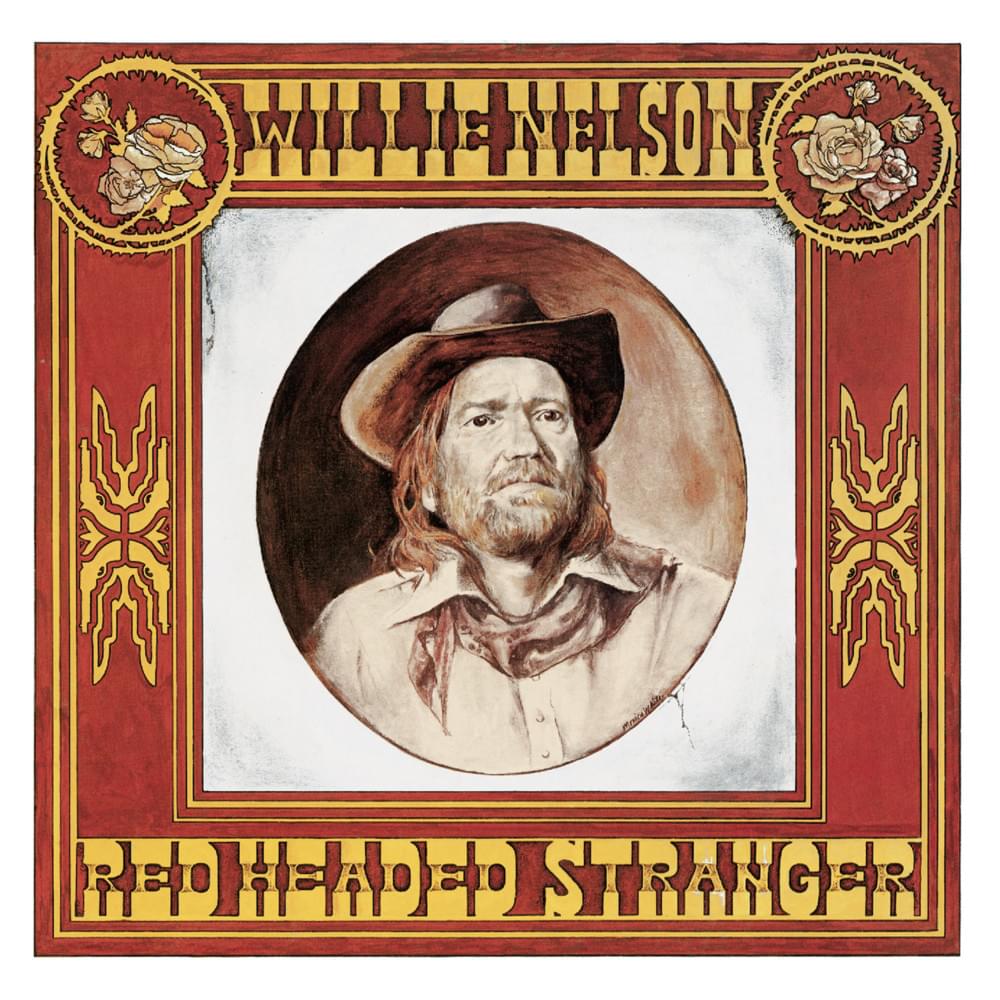
 View Artist