Song Meaning
The lyrics paint a picture of a relationship that has settled into a comfortable routine, losing the intense passion it once held. The narrator directly addresses a partner, lamenting the loss of excitement and desire that characterized their early days. There's a clear contrast drawn between the past, described as a time of insatiable longing and fervent connection, and the present, where a "safe comfort zone" has replaced the thrill. The core sentiment is a yearning to recapture that lost intensity.
The central tension lies in the conflict between contentment and passion. While acknowledging the positive aspects of their current stability – "It's good where we are" – the narrator emphasizes what has been sacrificed: the "thrill, the desire, the excitement." This isn't a critique of comfort itself, but rather a plea to not let it extinguish the fire that once defined their bond. The repeated phrase "hungry again" serves as a powerful metaphor for this lost intensity, suggesting a primal need for connection that has been dulled by complacency.
The most striking aspect of the writing is the consistent use of the "hunger" metaphor. It’s not just about wanting more; it’s about a deep-seated, almost physical craving for emotional and physical intimacy that defined the relationship's origin. The lyrics suggest this hunger was a driving force, making everything – the "look and each burning touch" – more potent and meaningful. The shift from "never enough" to "grown too content" highlights how the absence of this hunger has fundamentally altered their experience of love.
Ultimately, the effectiveness of these lyrics stems from their direct, unadorned plea for revitalization. The narrator isn't analyzing the situation with detachment; they are actively trying to reignite a flame, using the vivid imagery of hunger to articulate a profound sense of loss. The repeated chorus acts as a mantra, a desperate but hopeful call to action, urging the couple to actively seek out the passion that seems to have faded, making the listener feel the weight of that shared history and the desire for its return.
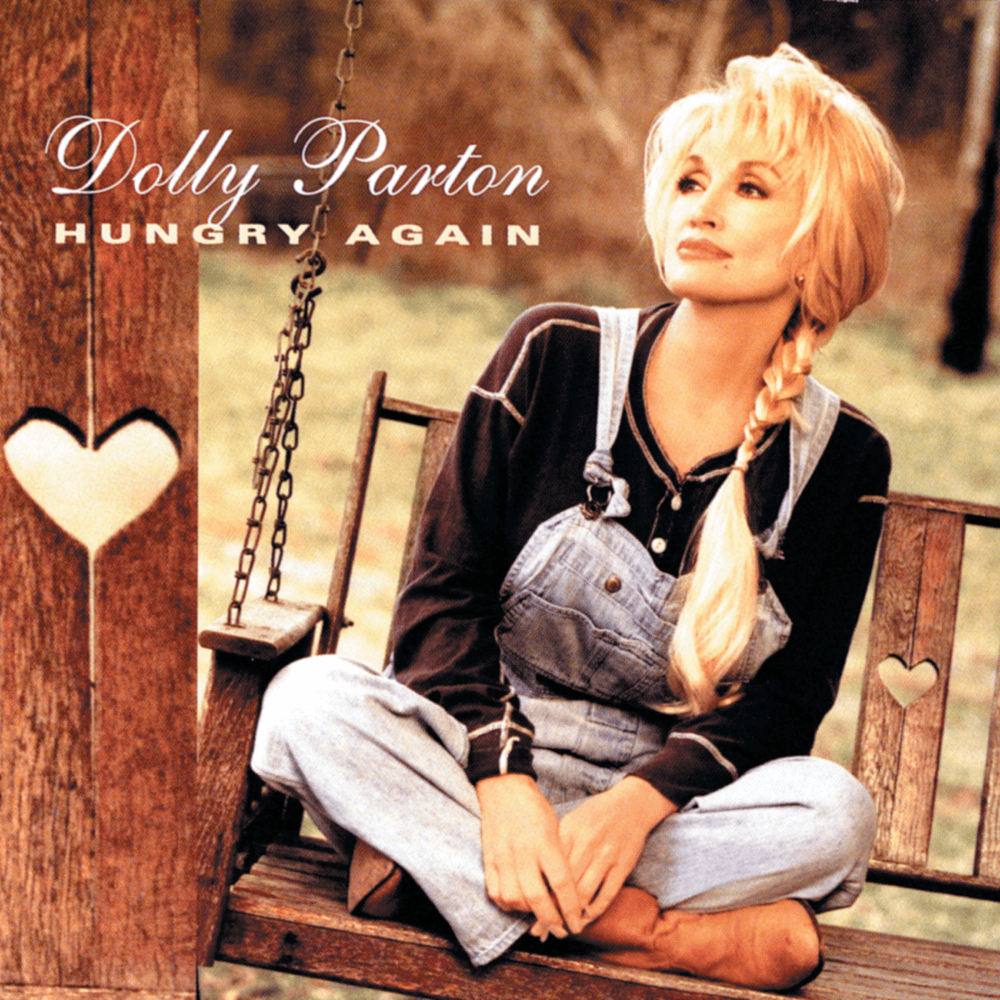
 View Artist