Song Meaning
The lyrics present a fragmented, almost dreamlike collage of operatic and classical snippets, creating a sense of overwhelming emotion and desire. The repeated "Na-na-na" acts as a grounding, almost childlike refrain against the dramatic pronouncements in various languages, suggesting a struggle to articulate or contain intense feelings. The juxtaposition of Italian, German, and French phrases, alongside the iconic "O mio babbino caro," hints at a sophisticated, perhaps theatrical, internal landscape.
The central tension seems to revolve around intense longing and a desire for self-appreciation, particularly in the lines referencing seeing oneself as beautiful in a mirror. Phrases like "O stien das Verlangen" (Oh, how I desire) and "Mi struggo e mi tormento!" (I languish and torment myself!) point to a powerful, almost painful yearning. This is amplified by the desperate plea, "O Dio, vorei morir!" (Oh God, I want to die!), which underscores the extremity of the narrator's emotional state.
The most striking craft element is the use of multilingualism and operatic quotation. This isn't just decorative; it builds a character who seems to inhabit a world of high drama and intense feeling, using these grand expressions to articulate a deeply personal, perhaps even overwhelming, internal experience. The sudden shift to French, "Douce flamme, je te garde" (Sweet flame, I keep you), and "Je veux vivre" (I want to live), offers a brief, contrasting moment of holding onto something precious or a desire for life itself, before returning to the torment.
This lyrical tapestry works by overwhelming the listener with a cascade of passionate, albeit fragmented, expressions. The effect is not one of clear narrative but of pure emotional resonance. The listener is invited to feel the intensity of the narrator's longing and self-contemplation, even if the precise circumstances remain elusive, mirroring the way powerful emotions can sometimes feel too large for simple words.
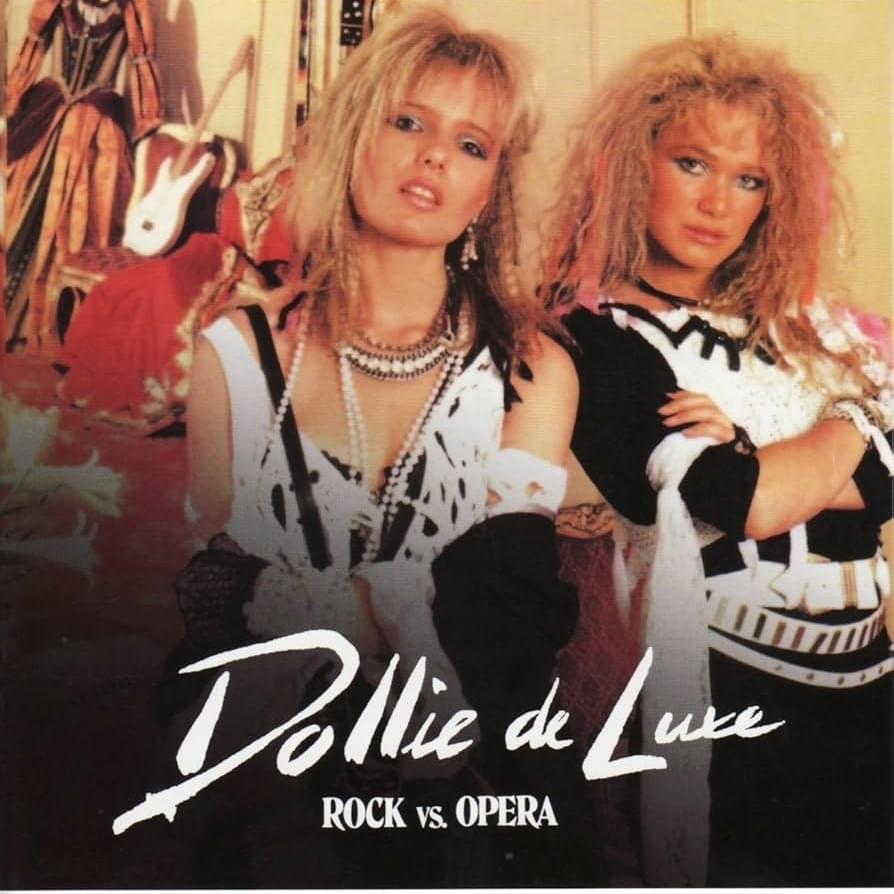
 View Artist