Song Meaning
The narrator opens with a raw vulnerability, questioning their own agency and purpose within a relationship. They feel like a mere object, a "dolly made for kissing," whose sole function is to please. This sets up a desperate plea to be the source of joy and fulfillment, offering themselves as a "sunshine avenue" willing to bend to their partner's desires. The immediate contrast arrives in the chorus, a stark declaration of the partner's true aim: freedom.
The central tension lies in the narrator's desperate attempt to hold onto a relationship that the other person is actively trying to escape. The narrator's initial belief in their love's permanence is shattered, leading to a painful realization. They now see their partner's affection as performative, a calculated move rather than genuine connection. This disillusionment fuels a desire to retract their offer of unconditional devotion, urging the partner to forget the "sunshine avenue."
The most striking element is the repeated, almost mantra-like chorus, "You wanna be free." This phrase acts as a constant, unyielding truth that overrides the narrator's pleas and self-deprecation. It’s a simple, brutal statement of fact that highlights the fundamental incompatibility of their desires. The narrator’s willingness to be anything for their partner clashes directly with the partner’s need for unburdened liberty, making the narrator's efforts ultimately futile.
This lyrical construction is effective because it captures the gut-wrenching experience of unrequited devotion meeting an unshakeable desire for independence. The narrator’s internal monologue, oscillating between self-abasement and dawning clarity, resonates with the pain of realizing one's efforts are fundamentally at odds with the other person's core needs. The relentless repetition of the chorus underscores the inescapable reality of the partner's intent, leaving the narrator with little recourse but to confront this truth.
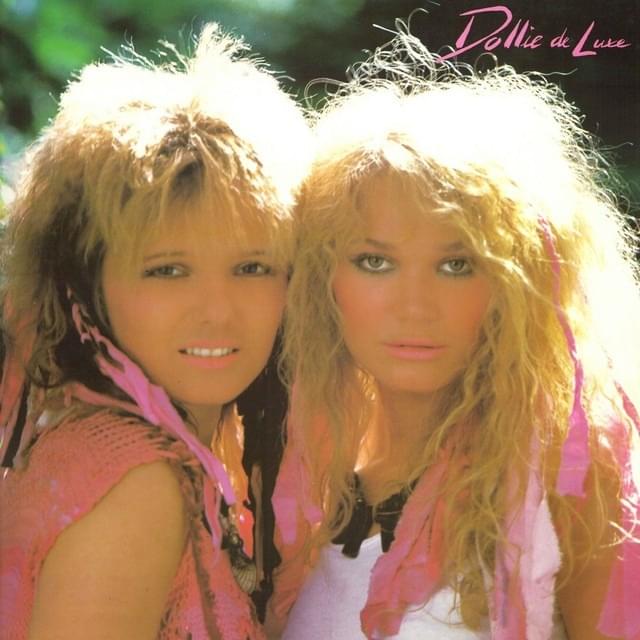
 View Artist