Song Meaning
The narrator finds a profound, almost overwhelming satisfaction in a relationship defined by intense emotional mirroring and dependence. The lyrics paint a picture of someone who actively seeks to be consumed by their partner's feelings, stating, "When you're unhappy I can die of sorrow." This isn't just passive agreement; it's an embrace of shared emotional extremes, a desire to be "the echo of your slightest emotion." The intensity suggests a relationship where individual identity might be subsumed, but for the narrator, this is the precise fulfillment they crave.
The central tension lies in the narrator's willing surrender to this dynamic, framing it as a conscious choice. They describe being made to be "drown[ed] in the ocean" of their partner's love, a potentially perilous image that they immediately reframe with "Well, that's what I want." This pattern repeats, reinforcing the idea that the perceived intensity and even the partner's possessiveness – like "calling each hour" – are not burdens but desired affirmations. The narrator actively desires this level of entanglement, finding their wants perfectly aligned with the relationship's demands.
The most striking aspect is the narrator's self-perception as guided and dependent, seeing their partner as a literal "doorway" and themselves as "blind" and needing to be "lead the way." This imagery highlights a profound reliance, where the partner's presence dictates reality, causing "the world stops moving" and "Time and place just have no existance." The narrator's resistance is "slowly breaking down," not in a way that suggests regret, but as a yielding to a desired state of being completely enveloped and directed by the other person.
Ultimately, the lyrics resonate because they articulate a specific, albeit unconventional, desire for absolute connection and surrender. The narrator isn't seeking balance or independence; they are finding their ultimate satisfaction in being completely defined by and responsive to their partner's emotional landscape. The repeated declaration, "Exactly what I want," acts as a powerful mantra, solidifying the narrator's active embrace of a relationship that might appear all-consuming to an outsider, but which represents their deepest personal fulfillment.
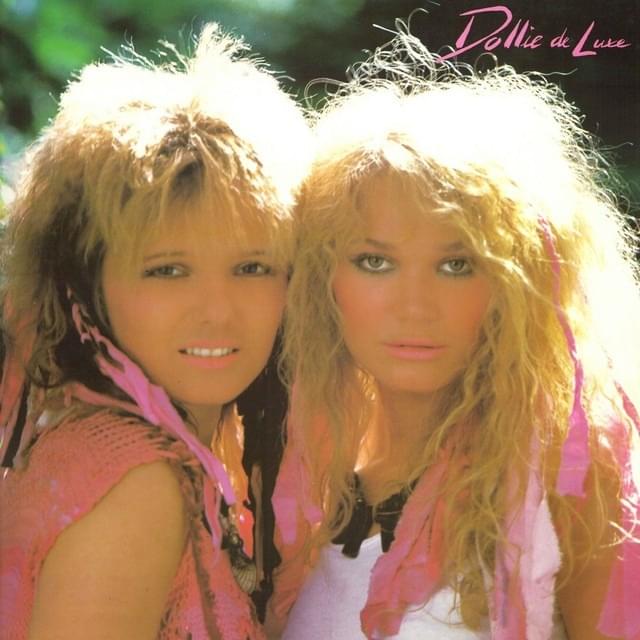
 View Artist