Song Meaning
The lyrics paint a picture of utter chaos and disillusionment, where confusion reigns and blame is constantly sought. The opening lines immediately establish a tone of moral decay and a search for answers in a world riddled with "religion and greed" and "accidents." This sets up a profound sense of uncertainty, questioning who holds the truth in such a fractured reality. The narrator feels adrift, unable to discern trustworthy sources amidst the turmoil.
The central tension arises from this pervasive doubt versus a desperate hope for salvation. While the narrator admits, "I don't know who to believe," there's a powerful counterpoint: "But I know who's gonna set me free." This suggests an internal conviction or a faith in something beyond the immediate, tangible world, even if its nature remains undefined. This unwavering belief in a future release acts as an anchor against the surrounding confusion.
The most striking element is the ironic portrayal of divine intervention. The idea of "angels in heaven are walking the streets / Searching for someone to blame" twists the traditional image of benevolent celestial beings. Instead of offering solace, they seem to mirror the human tendency to find fault, implying that even a heavenly arrival might not bring immediate peace or absolution. The repeated refrain, "'Cause I'll be waiting / When heaven comes down," becomes a plea, a defiant stance of hopeful anticipation in the face of despair.
Ultimately, the effectiveness of these lyrics lies in their raw portrayal of spiritual and existential crisis. The juxtaposition of overwhelming confusion with a steadfast, albeit abstract, hope creates a compelling emotional landscape. The narrator's commitment to waiting, even for a potentially flawed or judgmental heaven, highlights a deep-seated human need for redemption and a belief that a better state is attainable, even if the path there is unclear and fraught with blame.
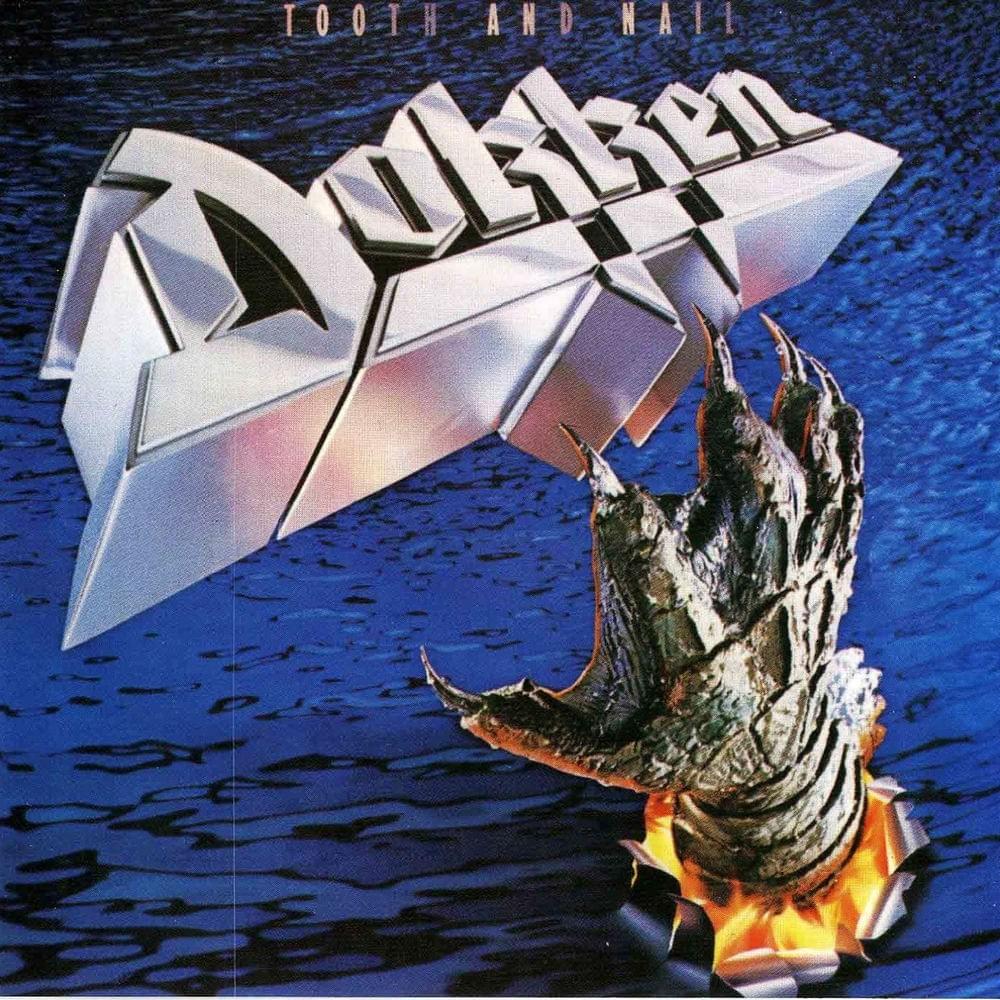
 View Artist