Song Meaning
The lyrics paint a stark picture of urban decay and a desperate yearning for escape. The opening lines immediately establish a sense of suffocation, with "smoke clouds" obscuring the "stars" and "fumes" filling the air. This literal smog suggests a polluted, perhaps oppressive, environment that forces people to look elsewhere for hope. The idea of meeting "on the moon" and being "OK" together presents a fantastical, almost naive, vision of salvation, a complete departure from the grim reality below.
The central tension lies between this bleak present and an imagined future utopia. The recurring image of "blue orchids bloom / Through the city streets at night" is a powerful, almost surreal contrast. Orchids, typically delicate and exotic, are depicted as resilient, pushing through the harsh urban landscape. This suggests a persistent, albeit fragile, beauty or life force struggling to survive amidst the decay, reaching "into starlight" with a plea: "We're still here, can you hear me?"
The most striking element is the juxtaposition of the celestial and the artificial. While the narrator looks "up above the moon," the scene is illuminated not by natural light but by "burning neon lights." This "starlight just fades out," replaced by the harsh glow of the city, mirroring the fading of hope or connection. The repeated phrase "no tears no celebration" underscores a profound emotional numbness; the situation is so dire or so accepted that even significant events elicit no strong reaction, highlighting a deep sense of resignation.
This emotional flatness, coupled with the persistent, almost defiant imagery of the blue orchids, creates a unique kind of impact. It’s not a song of outright rebellion or despair, but one of quiet endurance and a whispered hope for a different existence. The lyrics effectively convey a feeling of being trapped, yet clinging to an improbable dream of escape and reunion, making the listener question what truly sustains us when the world around us dims.
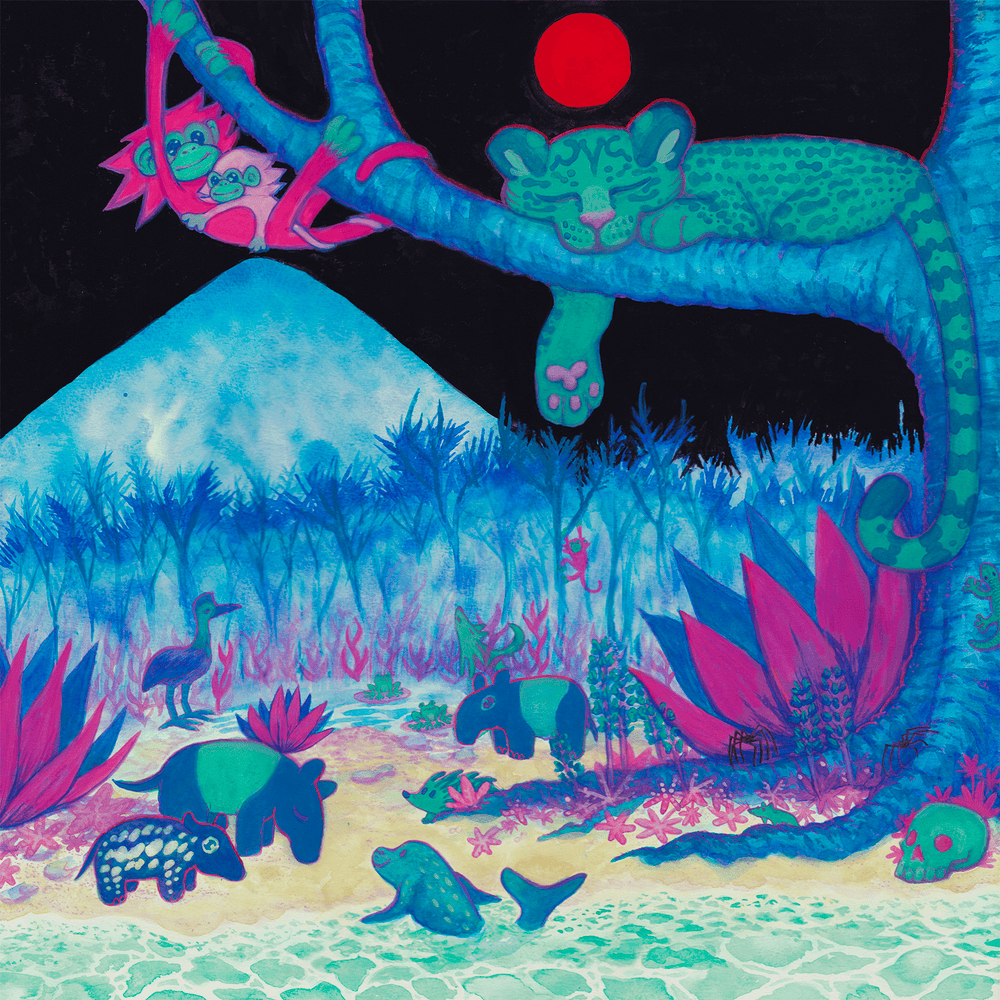
 View Artist