Song Meaning
The narrator opens with a confession, but it's a confession riddled with ambiguity and a strange lack of remorse. "I have done something wrong," they admit, yet immediately follow with "I don't know what it is yet." This isn't a picture of guilt; it's more like a premonition of future transgression or a vague, unsettling awareness of inherent fault. The question "Do I look like I'm sorry?" lands like a punch, revealing a defiant, almost taunting stance towards accountability. It suggests the narrator is aware of their capacity for wrongdoing, but not necessarily the desire to change.
The core tension here lies in the narrator's self-awareness versus their apparent lack of control or will to act differently. They acknowledge something is "weighing down on my mind," yet simultaneously offer a conditional threat: "If you give me a reason / I will leave you behind." This implies a volatile internal state, where external actions might trigger a predetermined, destructive response. The repeated phrase "I have done something wrong" becomes less an admission and more a prophecy, a self-fulfilling statement that hangs heavy in the air.
The most striking element is the narrator's almost detached observation of their own potential for causing harm. The line "You expected this didn't you, all along" shifts the focus, implying the listener is complicit in anticipating this behavior. It creates a disturbing dynamic where the narrator seems to be playing out a role that others have already cast them in. The finality of "Now you'll never know" isn't about a specific secret revealed, but about the ultimate unknowability of the narrator's true intentions or the full extent of their actions, leaving the listener in a state of perpetual uncertainty.
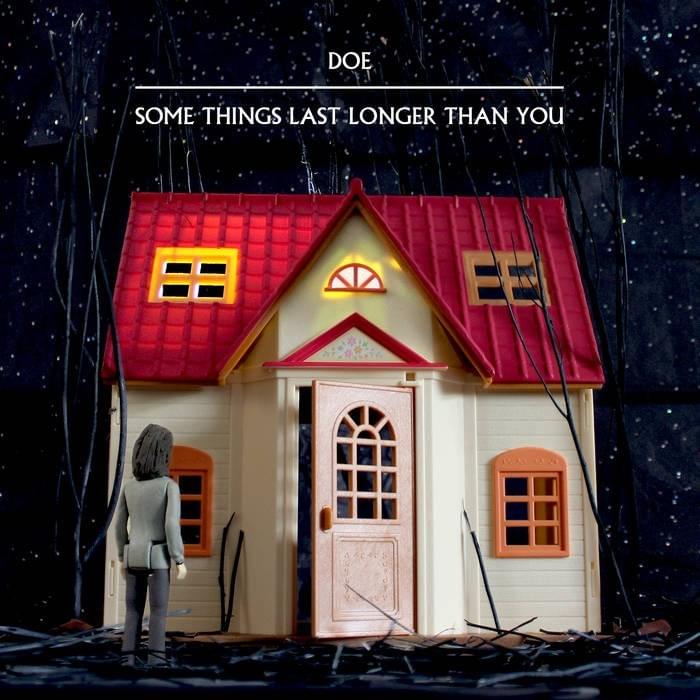
 View Artist