Song Meaning
The lyrics paint a picture of someone wrestling with internal stagnation and external dependency. The opening lines reveal a pressing need for self-discovery, a realization that the answers lie within, and that no one else can provide them. This internal quest is framed by a sense of urgency, as the narrator acknowledges they don't have endless time to wait for external validation or action from another person. The repeated phrase "I wait for a thousand years" highlights a past pattern of passive anticipation, starkly contrasted with the present "ain't got a thousand years" and the demand, "So what you gonna do?"
The central tension emerges from this shift from waiting to demanding, both from oneself and from another. The narrator expresses a desire to "venture out much more" and get "closer," indicating a yearning for growth and connection. However, this is complicated by a bitter accusation: "The way your treating me you'll die." This harsh judgment suggests a deep hurt or betrayal, yet it's immediately followed by a declaration of indifference: "But I don't really care / You don't even try." This emotional whiplash creates a complex portrait of someone simultaneously wounded and defiant.
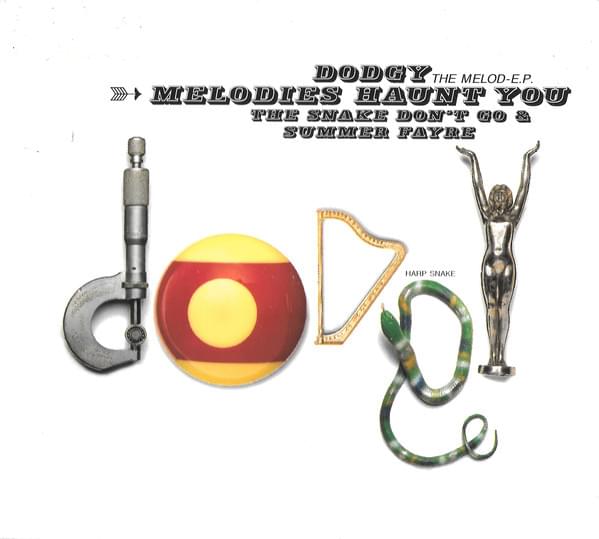
The most striking element is the recurring motif of "melodies haunt you." These are not audible tunes but rather internal echoes, intangible presences that linger even in silence or solitude. The repetition emphasizes their inescapable nature, suggesting that these haunting melodies represent unresolved emotions, memories, or perhaps the very internal struggles the narrator is trying to confront. The paradox of melodies that "make no sound" underscores their psychological weight, existing powerfully within the mind.
Ultimately, the effectiveness of these lyrics lies in their raw, almost confrontational honesty about personal responsibility and emotional fallout. The narrator moves from a place of passive waiting to active, albeit conflicted, assertion. The juxtaposition of vulnerability ("need to open up my eyes") with sharp anger ("you'll die") and feigned apathy ("I don't really care") creates a compelling, multi-layered emotional landscape. The haunting melodies serve as a potent metaphor for the internal residue of past experiences and relationships, driving the narrator's urgent push for self-awareness and change.
 View Artist