Song Meaning
The narrator is packing it up, heading back to the South on the "fastest train" to escape a relationship that's as unreliable as a faulty switch. This love, described as "water," has a way of turning off and on, leaving the narrator feeling abandoned when they thought they had it all figured out. The desire to return home is palpable, a yearning for a place where the "weather suits my clothes," suggesting a fundamental mismatch with their current surroundings or situation.
The core tension lies in the narrator's heartbreak and the decision to return to their roots, even if it's a fallback plan. They are "broken-hearted," explicitly stating they've "got those down South blues." This isn't just about a bad romance; it's about a deep-seated melancholy that seems tied to their experiences away from home. The resolve to go back, "if I don't do so well" or "wear out ninety-nine pair of shoes," highlights a desperate need for familiar comfort, no matter the cost or effort.
What's striking is the contrast between the idealized South and the harsh reality of their current emotional state. Raised in a place "where the snow it never fell," the narrator seeks a return to a simpler, perhaps warmer, existence, a stark counterpoint to the coldness of their failed relationship. Parental advice, "Don't you go off, honey / Let the men make a fool out of you," echoes in the background, adding a layer of foreshadowing or regret about past choices that led to this heartbreak.
Ultimately, the lyrics resonate because they capture that universal feeling of wanting to retreat to a safe harbor when life gets too complicated and painful. The specific imagery of the train, the weather, and the parental warnings grounds the emotional turmoil in relatable, tangible details. It's the raw admission of blues and the determined, albeit weary, pursuit of home that makes this a poignant expression of seeking solace after emotional devastation.
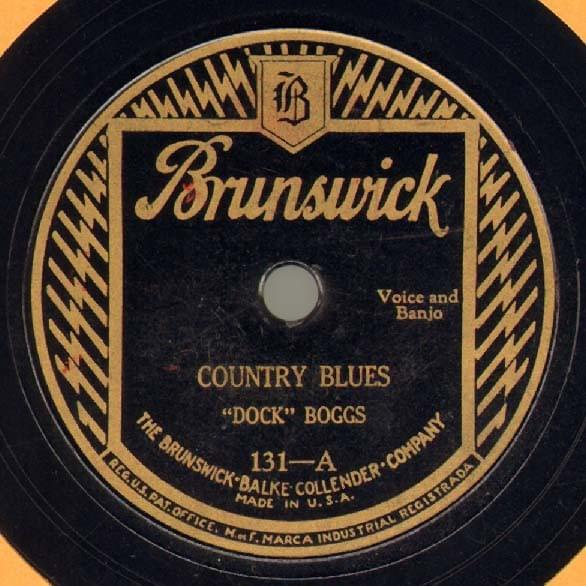
 View Artist