Song Meaning
Doc Watson's rendition of "St. James Hospital" isn't just a country lament; it's a stark confrontation with mortality and moral reckoning. The song, steeped in the imagery of a cowboy's final moments, transcends its simple narrative to explore themes of guilt, redemption, and the search for solace in the face of death. The opening verse immediately sets a scene heavy with foreshadowing: a "dear cowboy as cold as the clay," observed on a May morning that feels anything but cheerful. The setting of St. James Hospital, a place of healing, becomes ironic as it frames a scene of inevitable demise. The cowboy's plea for company and song highlights the human need for connection, even—or especially—when facing the end. His confession, "I'm a poor cowboy that knowed he done wrong," is a raw admission of guilt, setting the stage for the subsequent verses' desperate attempts at atonement.
The cowboy's requests underscore a deep-seated fear of eternal damnation. The dual call for a doctor and a preacher reveals a split desire: physical healing and spiritual salvation. Yet, the line "Hell is my doom" suggests a premonition of inescapable consequence. The morbidly detailed instructions for his funeral – sixteen maidens, sweet-smelling roses to mask the stench of death – are not mere vanity. Instead, they reflect an attempt to control the narrative of his passing, to create a semblance of beauty and order amidst the chaos of death. The roses, in particular, speak volumes; they are a fragile attempt to mask the decay and sin that the cowboy believes define him.
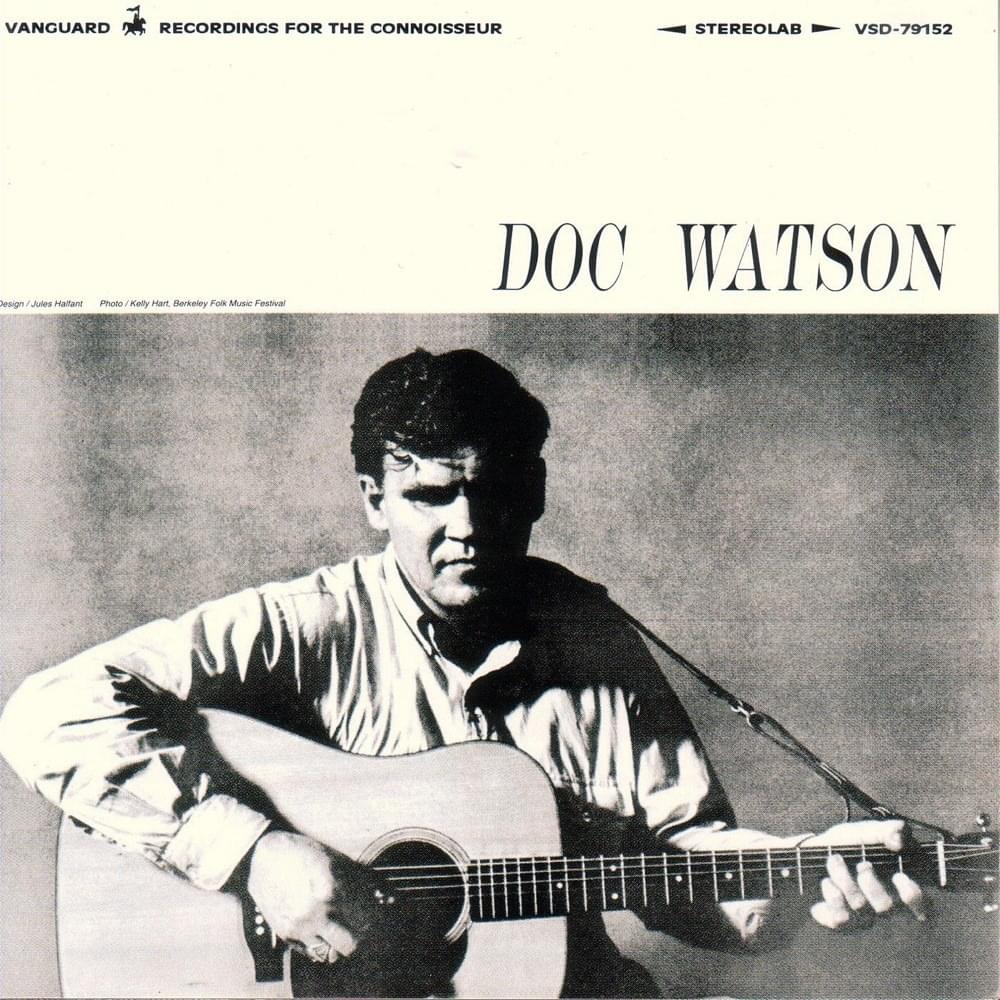
Ultimately, "St. James Hospital" is a meditation on the universal themes of sin, death, and the search for meaning in life's final chapter. The slow drums and low fife become the soundtrack to a life flashing before one's eyes, a life defined by mistakes and regrets. The lilies scattered over the coffin represent both purity and remembrance, a bittersweet farewell to a flawed individual. Doc Watson's interpretation amplifies the song's haunting quality, turning it into a profound exploration of the human condition. The song's enduring appeal lies in its unflinching portrayal of mortality, reminding us that even in death, the search for peace and understanding continues.
 View Artist