Song Meaning
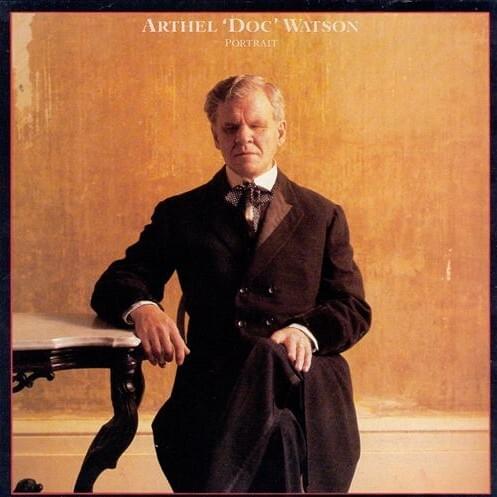
Doc Watson's rendition of "Rising Sun Blues" is less a geographical tale of New Orleans than a stark psychological portrait of self-destruction. The titular "house" functions as a potent symbol, not merely of a brothel or gambling den, but of any alluring vice that promises pleasure but delivers ruin. The song's power lies in its brutally honest self-awareness; the narrator isn't just a victim of circumstance, but a participant in his own downfall. He understands the seductive pull of the 'Rising Sun' and its inevitable consequences, yet seems powerless to resist its allure. This creates a fascinating tension between condemnation and resignation. The warning issued to his younger brother is not just a cautionary tale, but a reflection of his own internal battle against inherited or ingrained patterns of behavior.
The lyrics paint a picture of a man caught in a cycle of transient pursuits and fleeting satisfactions. The "rounder" with his suitcase embodies a rootless existence, finding solace only in intoxication. This speaks to a deeper yearning for connection and purpose, tragically misdirected towards temporary escapes. The song subtly implies an inability to form meaningful bonds, a vulnerability exploited by the 'bad girl' whose deceptive charm leads to further entanglement. The reference to eye color, “Though her eyes be blue or brown,” suggests that external beauty is irrelevant; the trap lies in the deceptive nature of the temptation itself, regardless of its specific form.
The final verse reveals the grim consequences of the narrator's choices: imprisonment and the end of his 'race.' This isn't just a literal punishment; it's the culmination of a life lived on the margins, a self-inflicted sentence of isolation and despair. The 'ball and chain' represent not just physical restraint, but the weight of regret and the crushing realization of wasted potential. Ultimately, "Rising Sun Blues" is a haunting exploration of addiction, regret, and the enduring human struggle against self-destructive impulses. Doc Watson's interpretation, steeped in the blues tradition, amplifies the song's raw emotional power, transforming it into a timeless meditation on the dark side of human desire.
 View Artist