Song Meaning
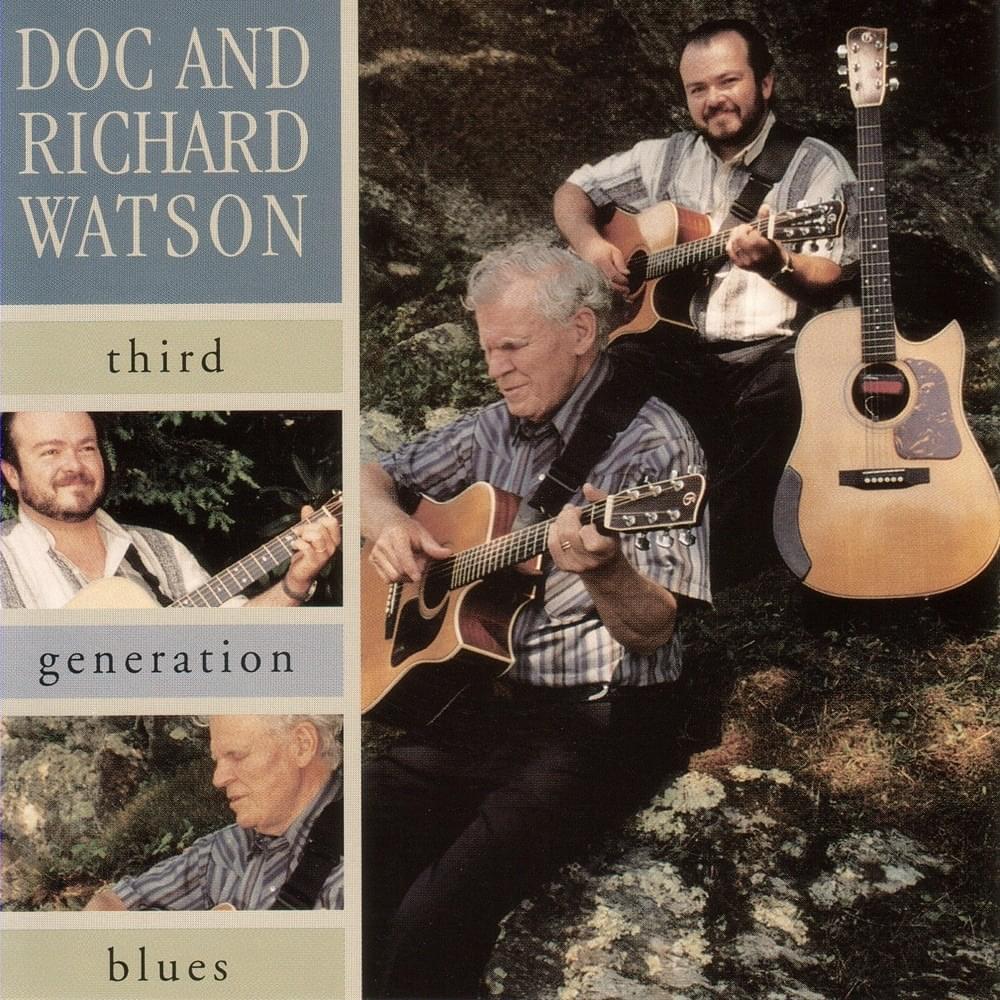
Doc Watson's rendition of "Moody River" isn't just a country lament; it's a masterclass in understated grief. The song’s power lies in its stark simplicity, transforming a personal tragedy into a universal exploration of loss and culpability. The opening scene is deceptively pastoral: a rendezvous at an old oak tree, the kind of image that evokes gentle romance. But the discovery of the glove and the note instantly shatters this idyll, revealing a narrative of betrayal and despair. The letter, a terse declaration of freedom through self-destruction, leaves the narrator grappling with the sudden absence of his beloved. It's the psychological blow, not the act itself, that initially stuns. The raw emotion is palpable through Watson's delivery, laden with a grief that feels both immediate and timeless.
The river itself becomes a potent symbol. It's not merely the instrument of death but a reflection of the narrator's internal state. The "muddy waters" suggest a clouded mind, a world obscured by sorrow and confusion. When he looks into the river, he sees not his lover but "a lonely, lonely man / Just looking back at me." This moment of self-recognition is crucial. It shifts the focus from outward blame to inward reflection, suggesting a deeper understanding of his own role in the tragedy. The tears and the prayer hint at a yearning for redemption, a desire to find solace in the face of overwhelming pain. The glove, clutched at his fingertips, is a tangible reminder of what he has lost, a symbol of both love and the irretrievable past.
The recurring chorus, with its assertion that "Moody River" is "more deadly than the vainest knife," underscores the insidious nature of suicide. It’s not a sudden act of violence but a slow, corrosive force that destroys not only the victim but also those left behind. The repetition of the line "Moody River, your muddy water / Took my baby's life" serves as a haunting refrain, a constant reminder of the irreversible loss. Doc Watson's interpretation transcends the simple narrative of a lost love, delving into the complex emotions of guilt, regret, and the enduring power of memory. "Moody River" becomes a meditation on the fragility of life and the lasting impact of choices made in moments of despair.
 View Artist