Song Meaning
The lyrics paint a picture of a shared, significant place – "the hill" – that serves as a steadfast anchor. It's a spot where dreams were once spoken and where the narrator insists on a future where laughter will return. This isn't just a physical location; it's a repository of memory, holding onto the listener's past aspirations. The immediate feeling is one of hopeful reassurance, a quiet promise whispered against the backdrop of present struggles.
The central tension arises from the contrast between the enduring nature of the hill and the listener's current emotional state. The narrator acknowledges a "frustrated life" and a feeling of being lost, symbolized by "losing the moonlight in the crowd." This struggle makes the listener "a little timid," a stark counterpoint to a past self described as "stronger than anyone, looking straight at the sky." The hill, however, remains unchanged, a silent witness to this internal conflict.
The most striking craft element is the repeated refrain: "Surely tomorrow, we can laugh again." This phrase acts as a mantra, a persistent echo of optimism. It's paired with the declaration, "We are always standing here," reinforcing the idea of unwavering presence and support. The lyrics suggest that even when separated by distance or time, recalling this shared space and the promise it holds can bring solace, implying that "tears will disappear" when put into words, and that the "dreams you lost" are still accessible here.
This writing is effective because it grounds abstract hope in a concrete, remembered place. The hill becomes a tangible symbol of resilience and continuity. The narrator's gentle insistence that laughter is possible tomorrow, and that they are always present, offers a powerful sense of solidarity. It's a reminder that even amidst life's difficulties, there are constants to hold onto, and that the past's aspirations are not irretrievably lost.
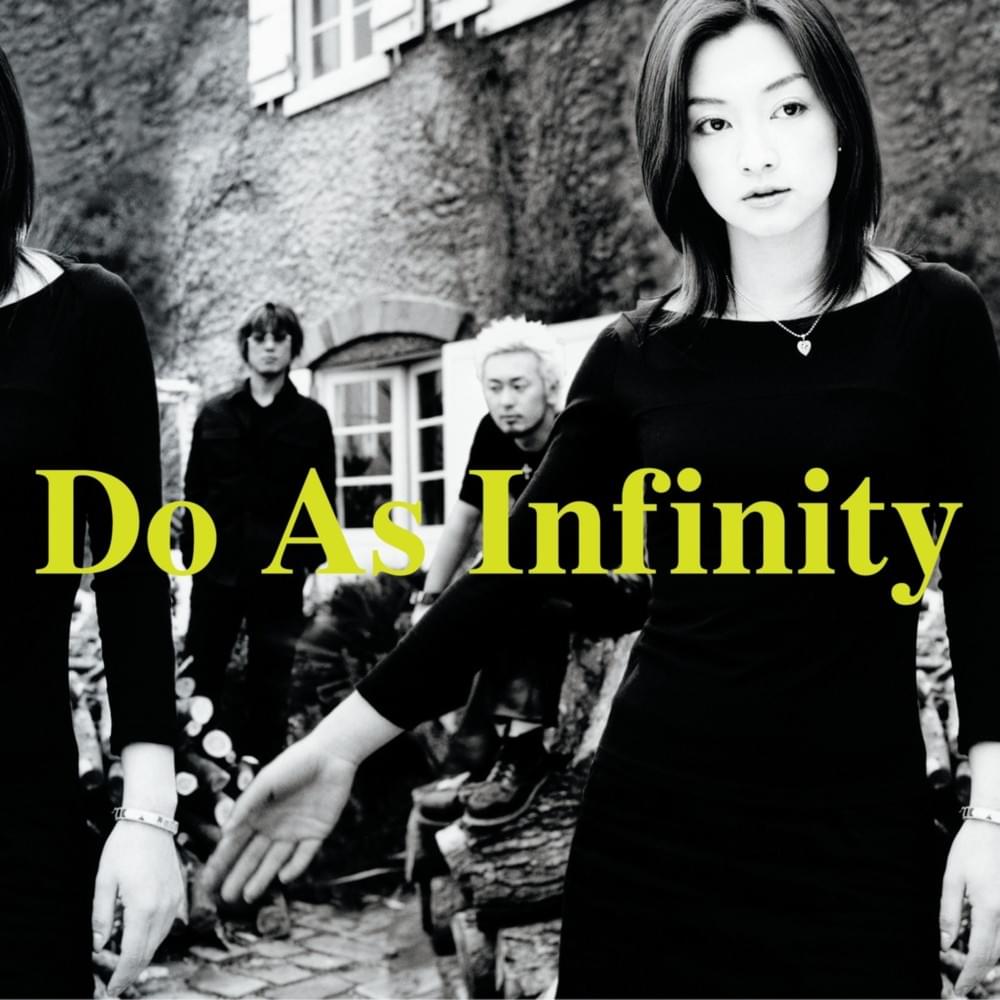
 View Artist