Song Meaning
The lyrics present a defiant declaration of self-ownership against a backdrop of past burdens and future obligations. The narrator asserts a clean slate, stating "У меня нет долгов" (I have no debts), suggesting a shedding of past mistakes or responsibilities. This freedom, however, is immediately reframed not as an absence of duty, but as a debt to the future, a responsibility to "тому, кто придёт потом" (to the one who comes later). This sets up an internal conflict: the desire for personal freedom versus the inherited weight of future expectations.
The core tension emerges in the contrast between the narrator's assertion of ownership and a counter-voice, possibly an internal one or an external critic, urging introspection. This second voice, marked by italics, implores the listener to "Постой, оглянись хоть на миг" (Wait, look around for a moment) and "вслушайся в глухой крик / Истерзанной от напряжения души" (listen to the deaf cry / Of a soul torn by tension). It questions the narrator's path, asking "Где твоё забытое я" (Where is your forgotten self) and lamenting "Ни до чего не дошёл и к чему пришёл" (Reached nothing and arrived at what). This creates a powerful push-and-pull between self-affirmation and self-doubt.
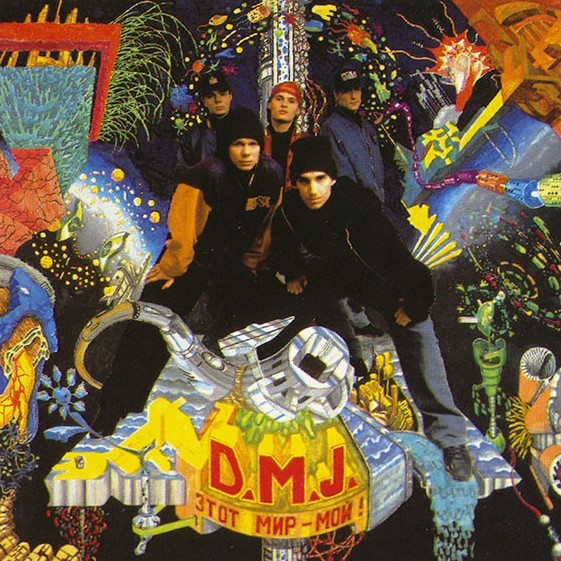
The most striking element is the relentless repetition of "Этот мир — мой!" (This world is mine!). This chant, punctuated by the interjections of the questioning voice, transforms the song into an anthem of radical self-determination. The repeated phrase acts as a mantra, a forceful assertion designed to drown out the internal or external voices of doubt. The final, almost resigned, agreement "Да-да, и в этом ты прав" (Yes, yes, and you are right in this) from the italicized voice suggests a grudging acceptance, or perhaps the narrator's own internal struggle finally finding a precarious peace through sheer force of will.
Ultimately, the lyrics resonate because they capture the universal struggle for self-definition. The writing crafts a compelling internal debate, pitting the desire for unburdened existence against the complex realities of personal responsibility and the search for one's true self. The repeated, almost desperate, claim of ownership feels earned by the preceding verses, making the final declaration a powerful, albeit potentially fragile, victory.
 View Artist