Song Meaning
The lyrics paint a vivid, almost chaotic picture of life on a train, juxtaposing mundane details with stark realities. We start with simple sustenance, "café com pão," and the stark contrast of "jejum limão," immediately establishing a sense of struggle and survival. The phrase "A bolsa e a vida / Dançam nesse trem, te cuida!" suggests a precarious existence where financial concerns and life itself are intertwined and constantly at risk.
The central tension seems to be the relentless, often harsh, movement of life, personified by the train. Characters are introduced with titles like "barão" and "comendador," hinting at social hierarchies, but these are quickly undercut by rougher imagery like "entrou no pau" and "Negão quebrou a gabiroba." This creates a sense of social leveling or perhaps just the overwhelming force of the train's journey that affects everyone.
The repeated "Cavalo de ferro" acts as a powerful, almost primal, refrain, emphasizing the mechanical, unstoppable nature of the train and the lives it carries. Later verses introduce a more abstract, almost desperate, tone with "Udp-um, udp-dois" and the harsh, violent imagery of "Cascudo, pedrada / Cuspida, pisada." The narrator's plea, "Não sou Jesus," coupled with the feeling of being a "zumbi" in "Santa Cruz," highlights a sense of being overwhelmed and broken by this relentless cycle.
This writing is effective because it uses sharp, contrasting images and a driving rhythm to convey a feeling of being caught in a powerful, indifferent system. The progression from everyday scenes to violent encounters and finally to a state of weary resignation creates a potent emotional arc. The repetition of the train's movement in the final lines, "Parece o vaivém do trem," leaves the listener with a profound sense of inescapable routine and the weight of it all.
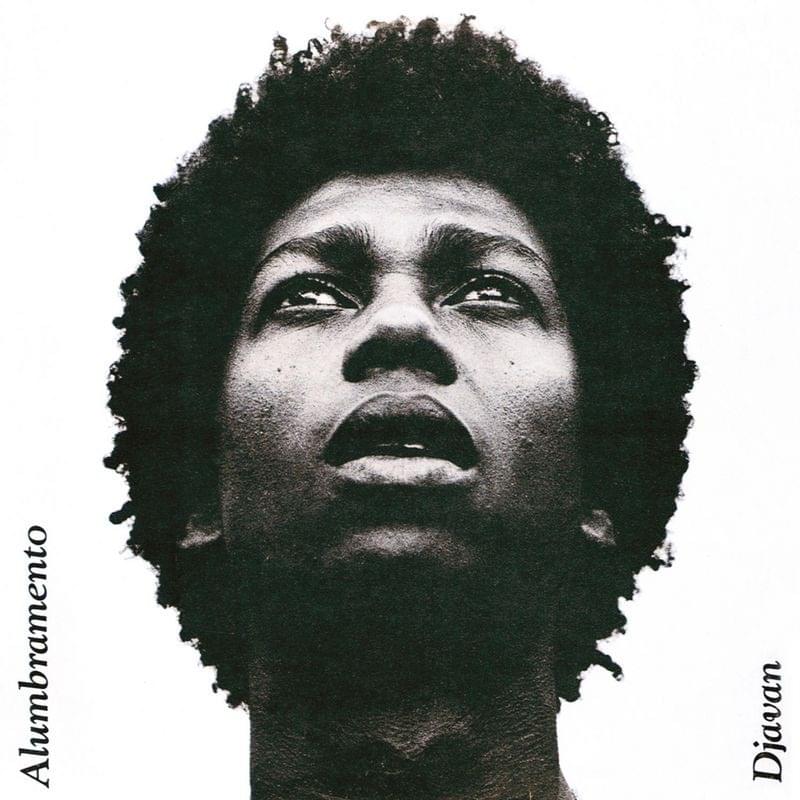
 View Artist